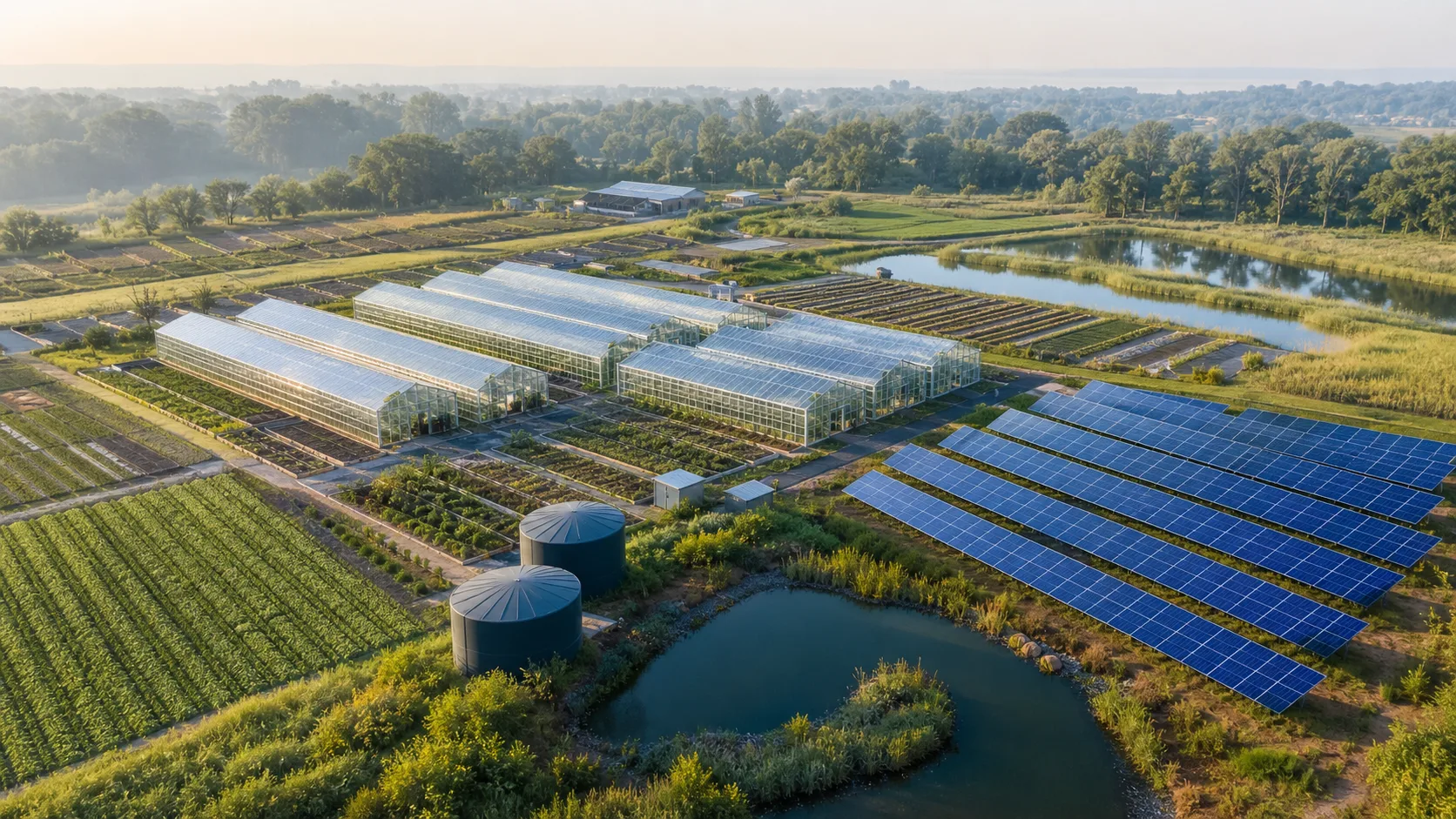
Solar Greenhouse Systems
Designing Solar Greenhouses for Long-Term Performance
A solar greenhouse performs best when structure, crop needs, water, energy, ventilation, and controls are designed as one connected system.
July 8, 2026Read article
 Tidalember
Tidalember
Tidalember
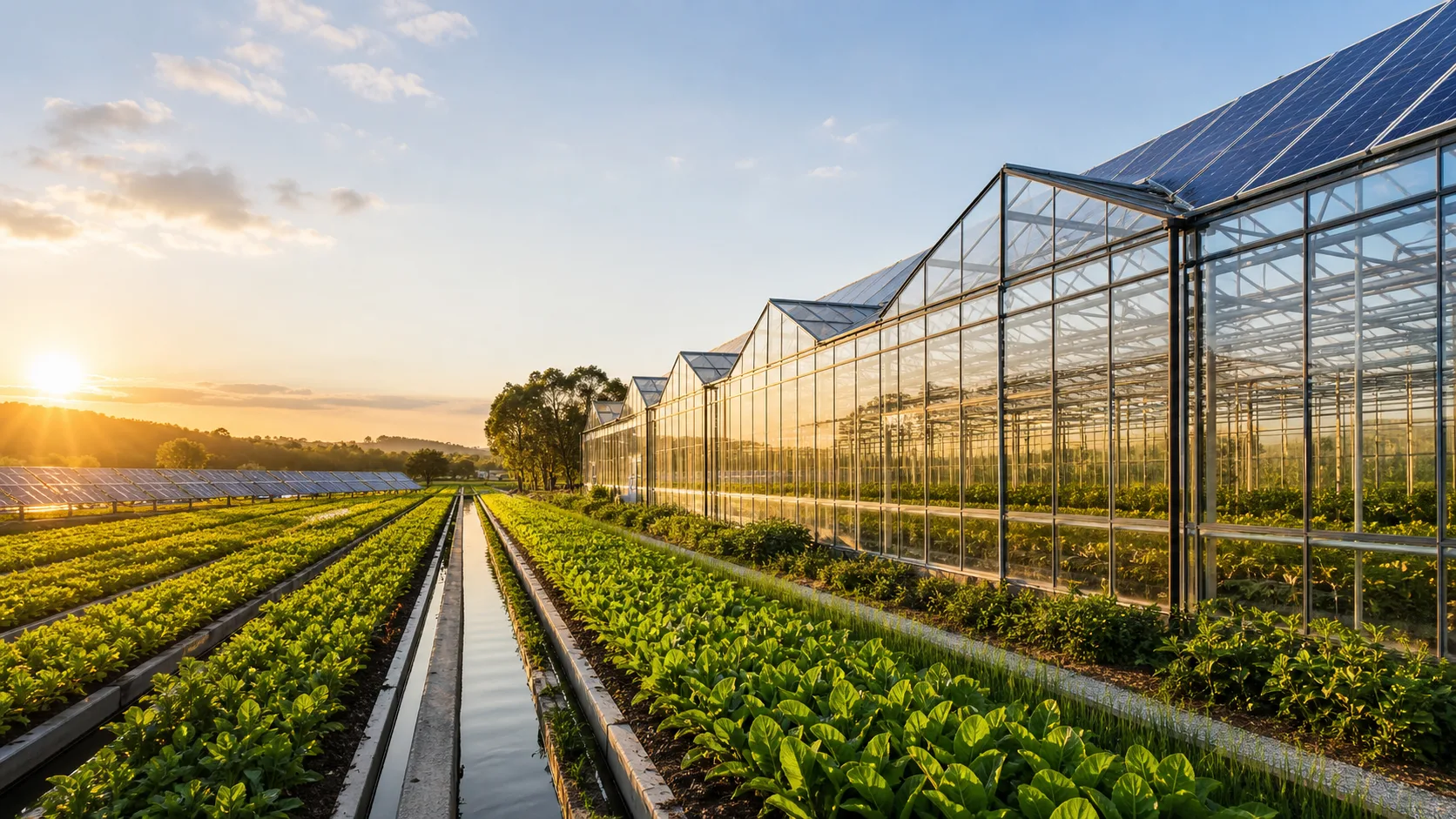
Practical articles on sustainable infrastructure, renewable agriculture systems, solar greenhouse design, water efficiency, environmental protection, and large-scale environmental development.
These posts help growers, developers, institutions, and project teams understand the decisions behind resilient agricultural systems.
A solar greenhouse performs best when structure, crop needs, water, energy, ventilation, and controls are designed as one connected system.
Efficient irrigation is about delivering the right water, at the right time, with the right monitoring and environmental protection.
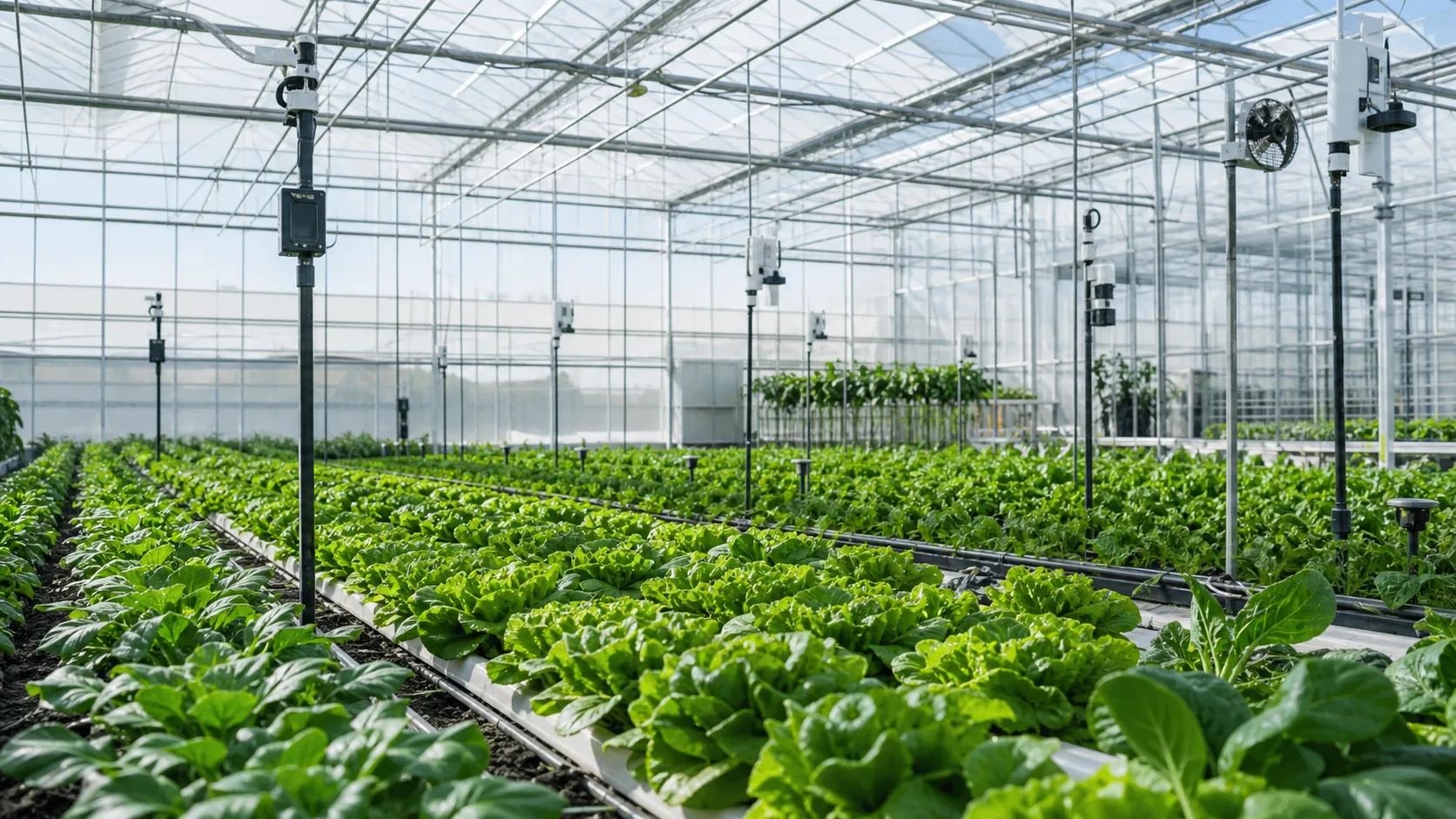
Renewable energy planning for agriculture must account for pumps, fans, controls, lighting, monitoring, storage, and critical backup needs.
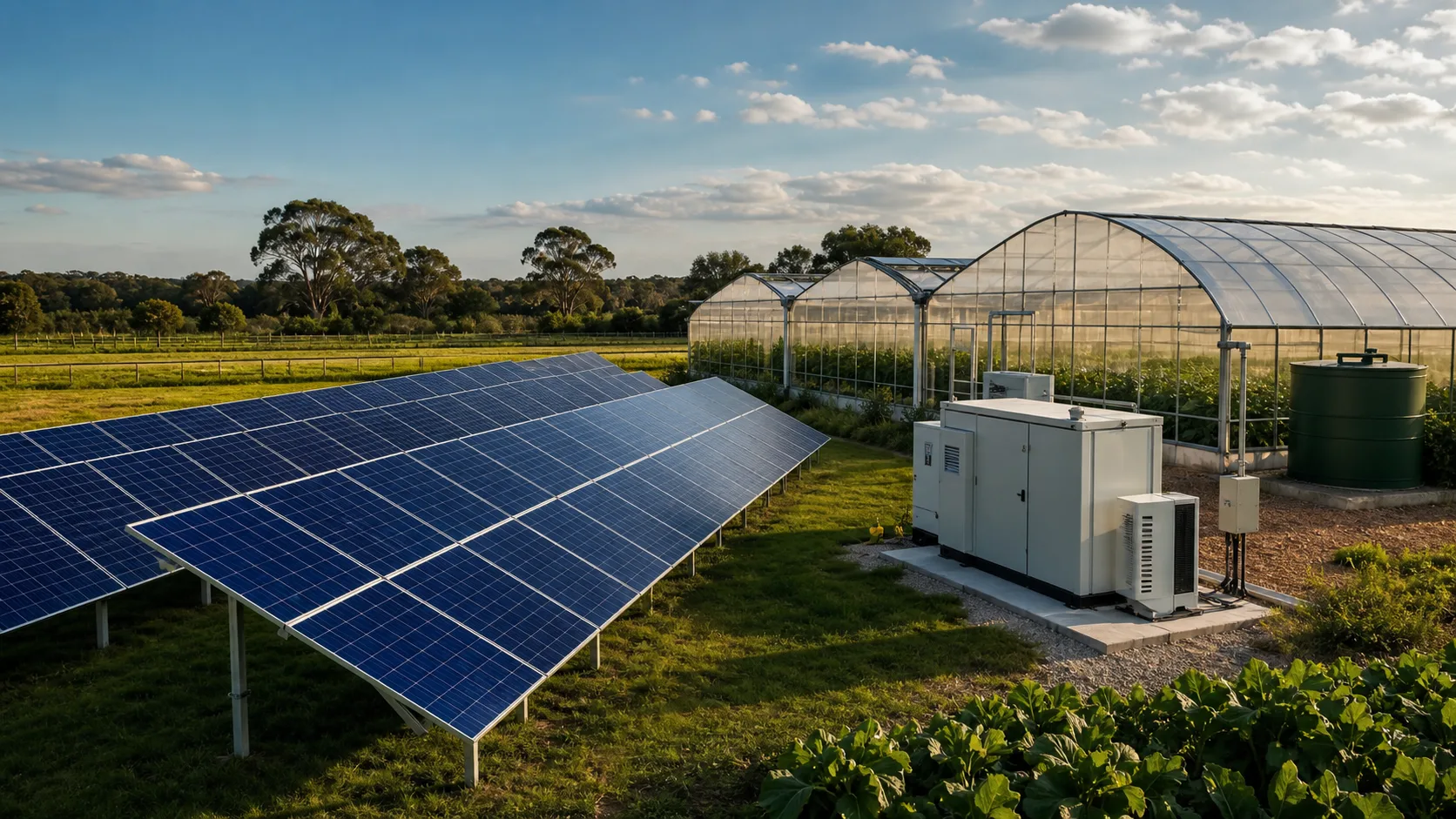
Agricultural development can be productive and responsible when biodiversity, water bodies, waste, and pollution pathways are reviewed early.
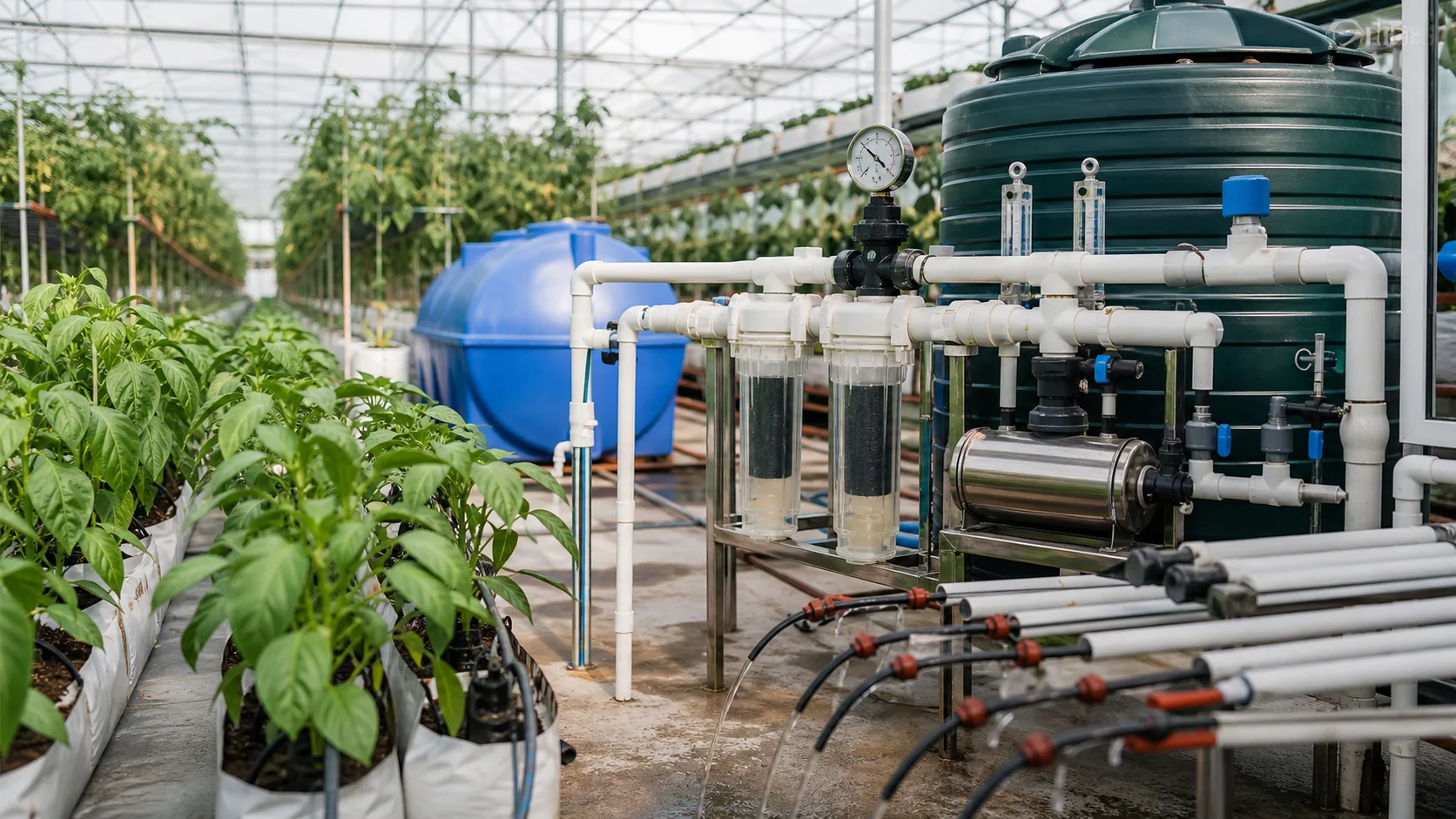
A feasibility study can prevent expensive mistakes by clarifying land, climate, water, energy, environmental, operational, and budget realities.
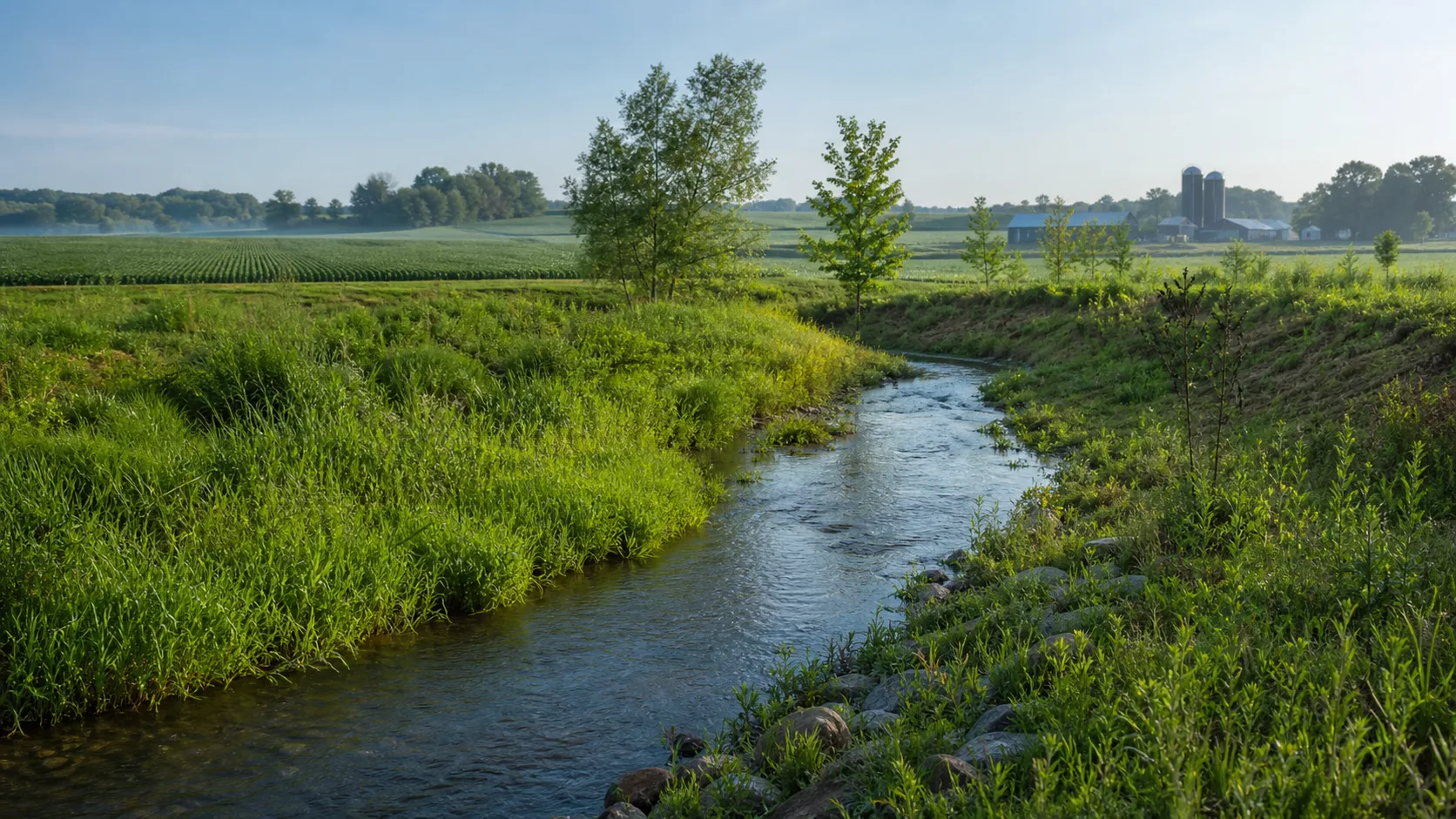
Monitoring should give operators practical visibility into climate, irrigation, energy, and equipment performance without unnecessary complexity.
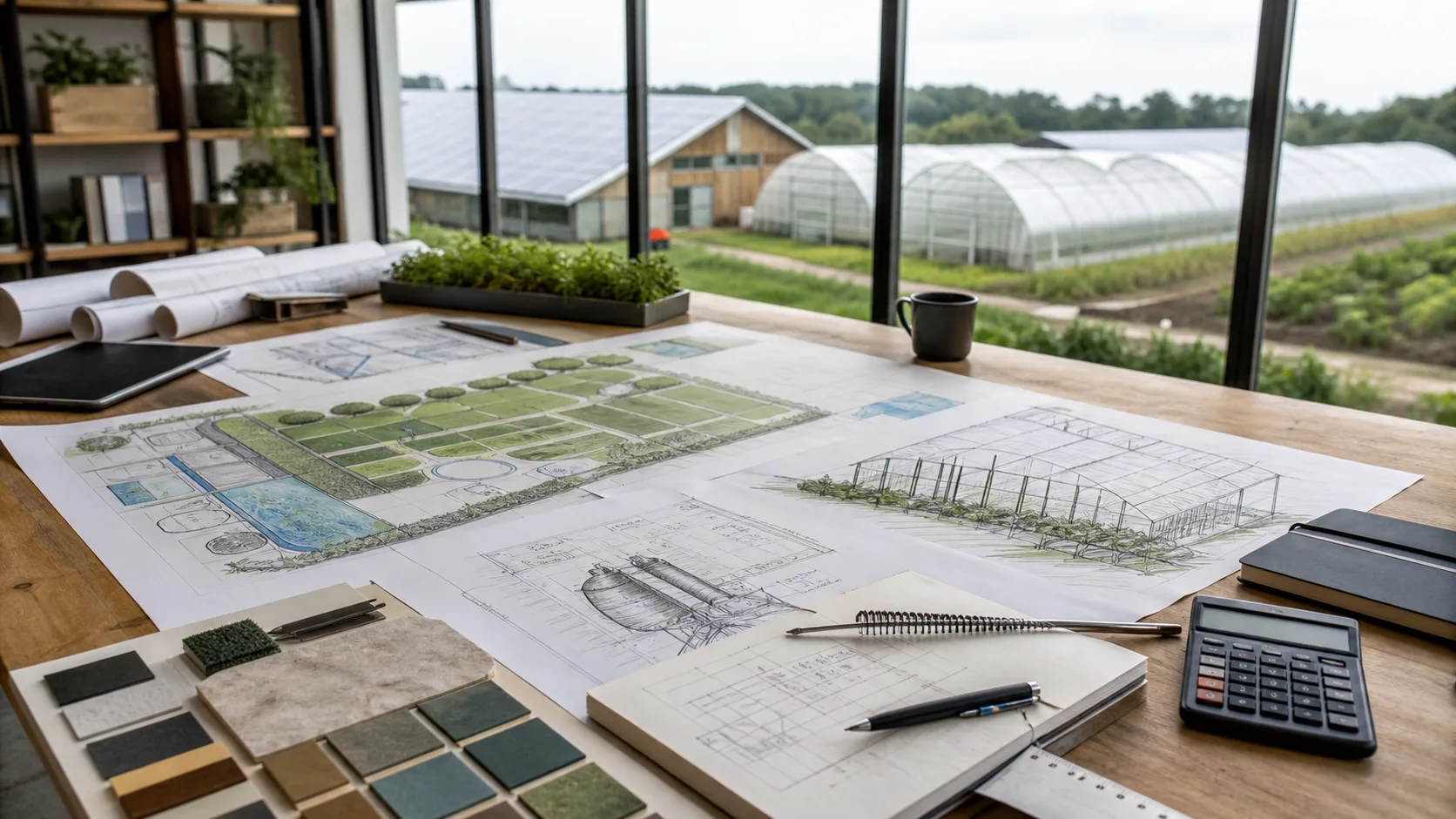
Agricultural projects need practical plans for residues, plastics, nutrient losses, contaminated areas, and operational waste streams.
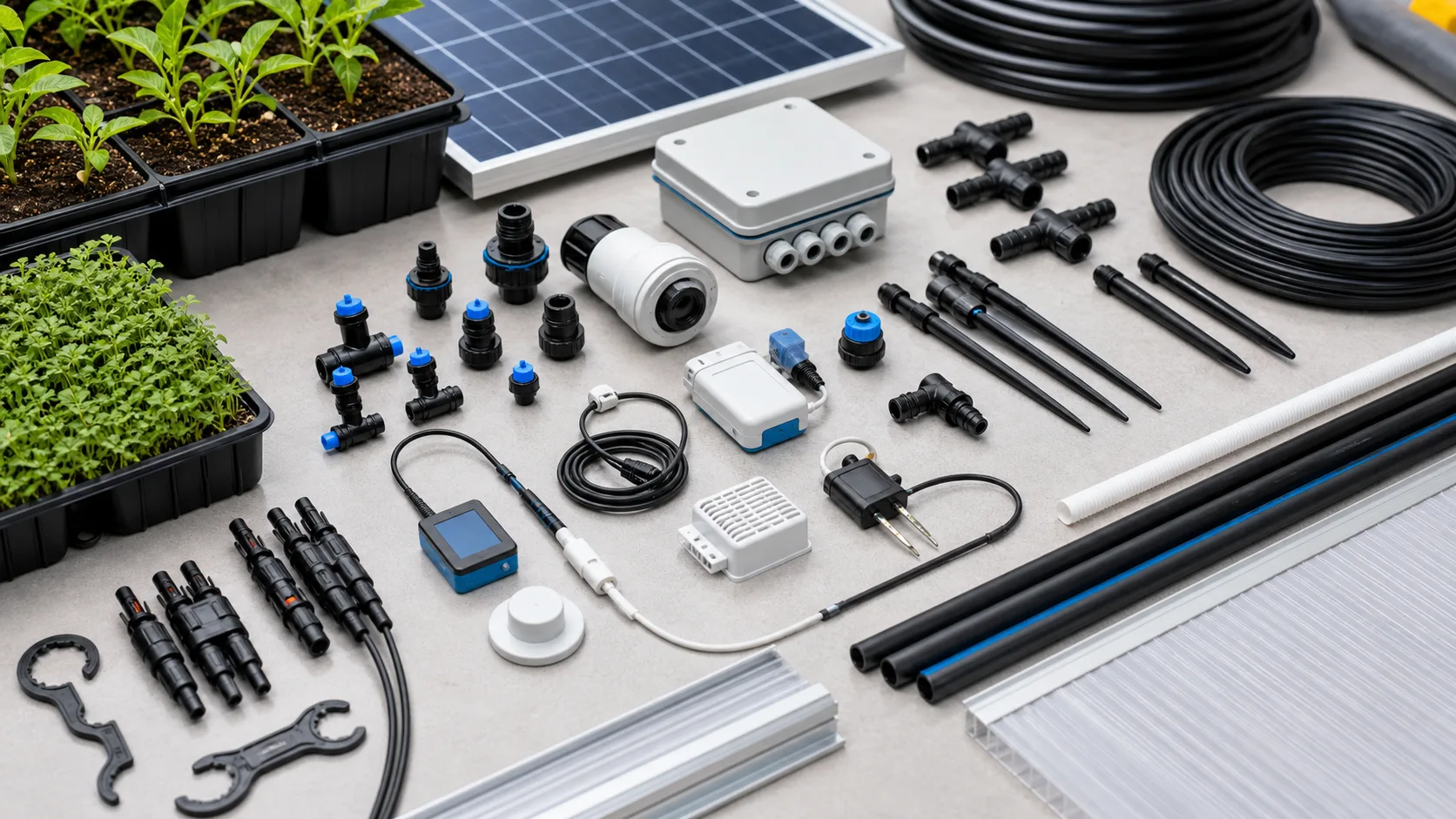
Biodiversity planning can strengthen agricultural resilience when habitats, water edges, beneficial species, and site layout are considered together.
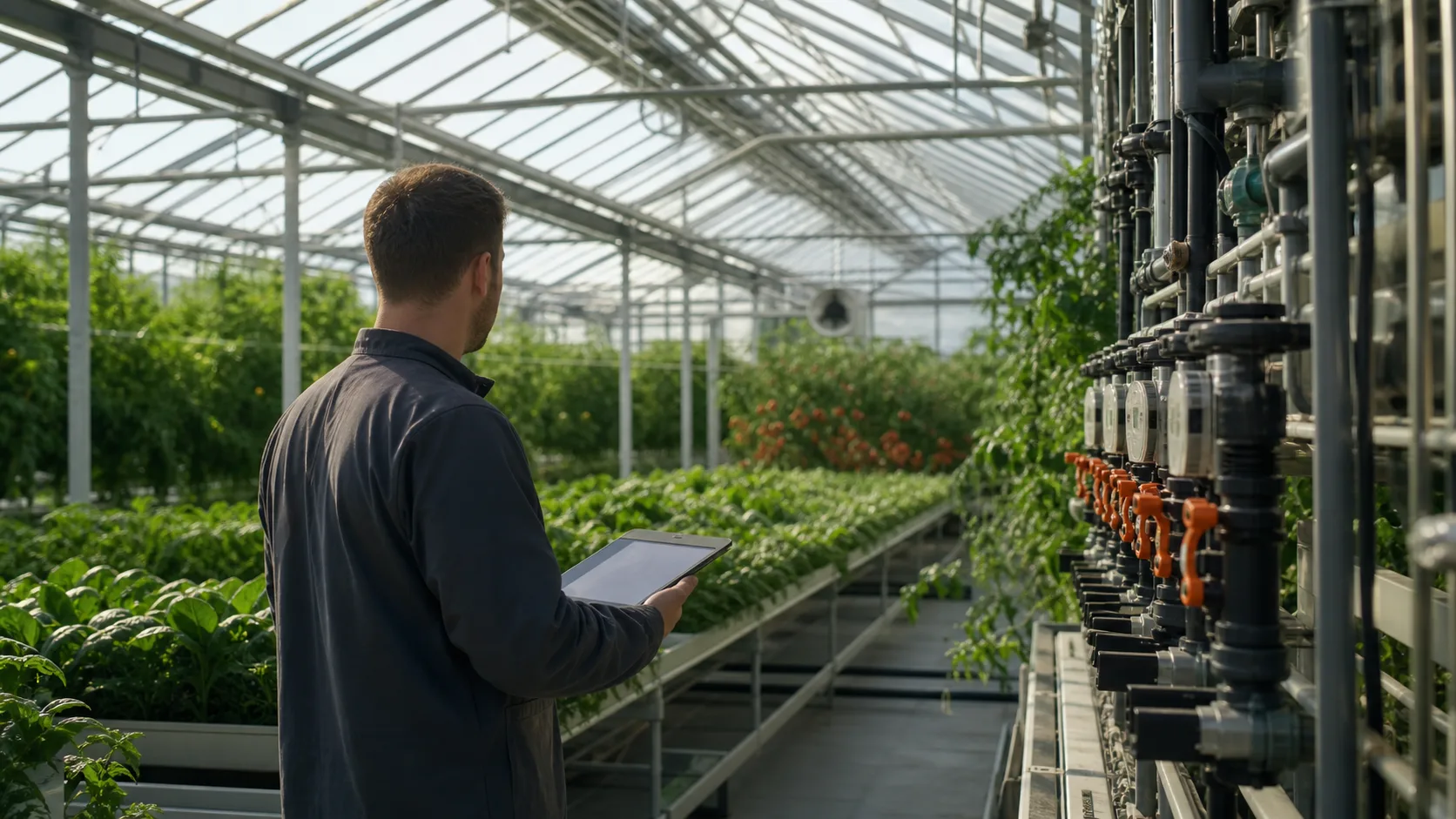
Even well-designed infrastructure underperforms when teams do not understand the systems they operate every day.
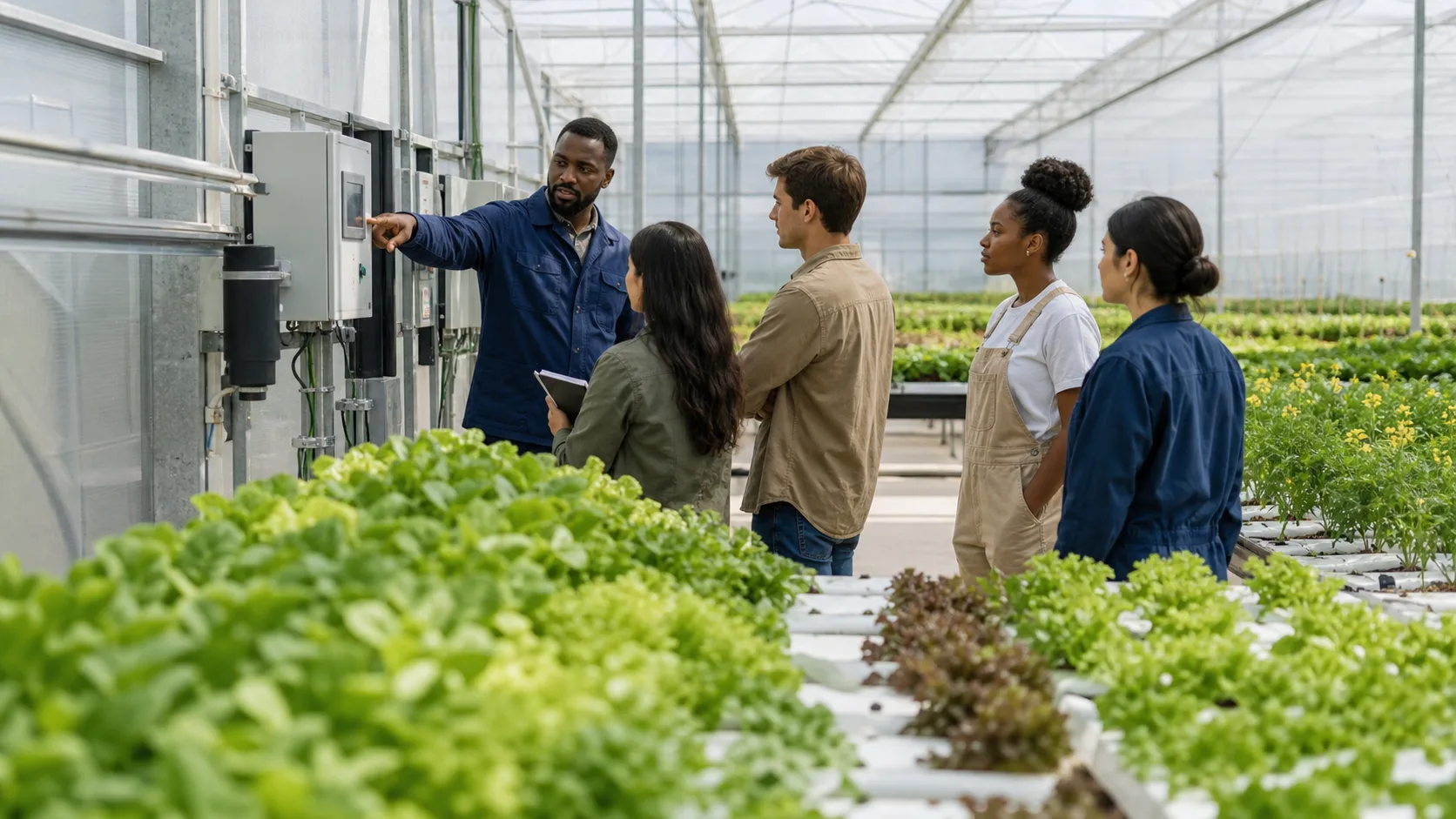
Technology sourcing should be based on compatibility, maintenance, site conditions, and operating capacity, not only product features.
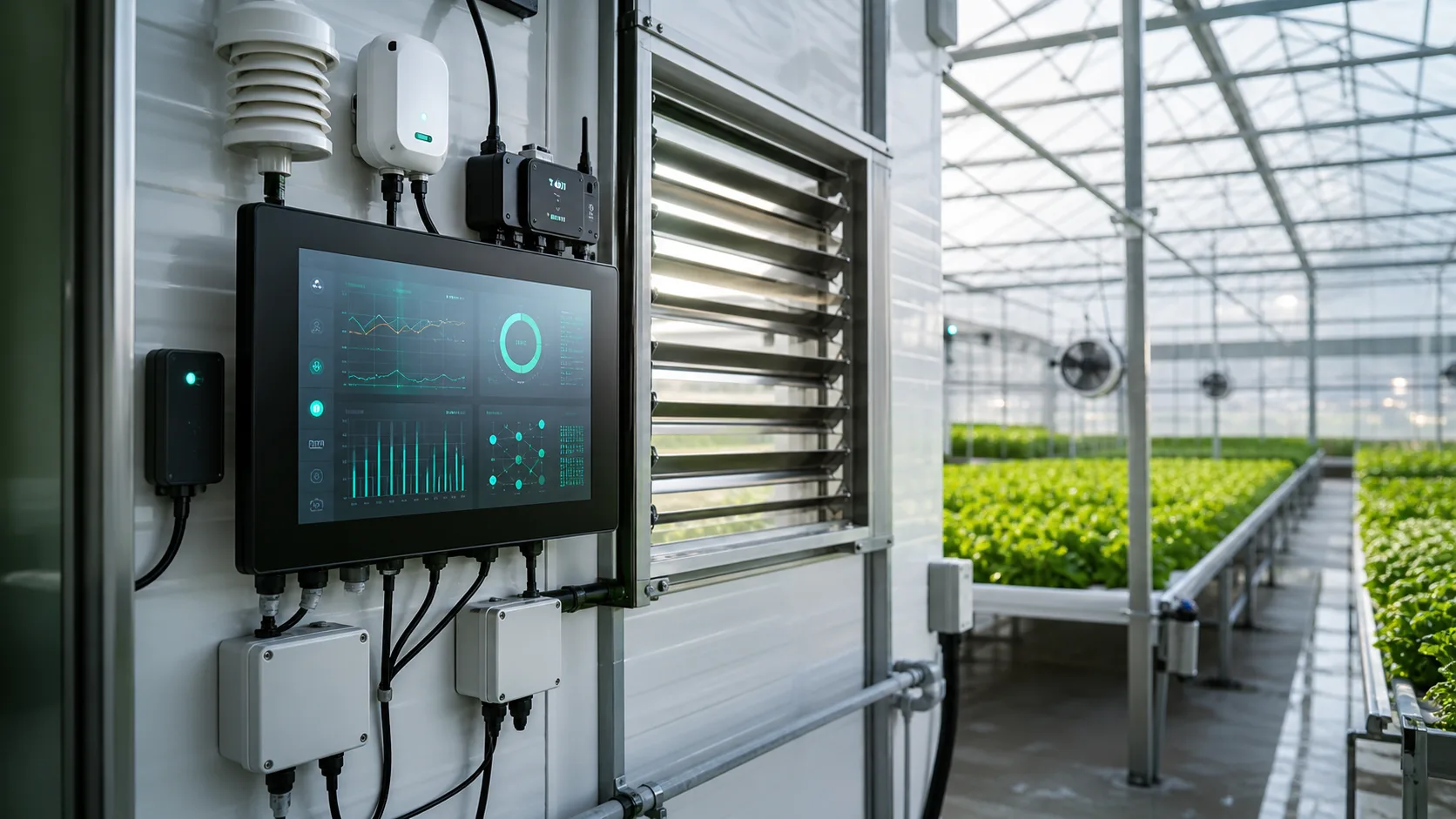
Resilient agricultural infrastructure must account for heat, storms, water stress, energy interruptions, and changing operating conditions.
Large projects become more manageable when infrastructure, environmental safeguards, operations, and investment are phased intelligently.