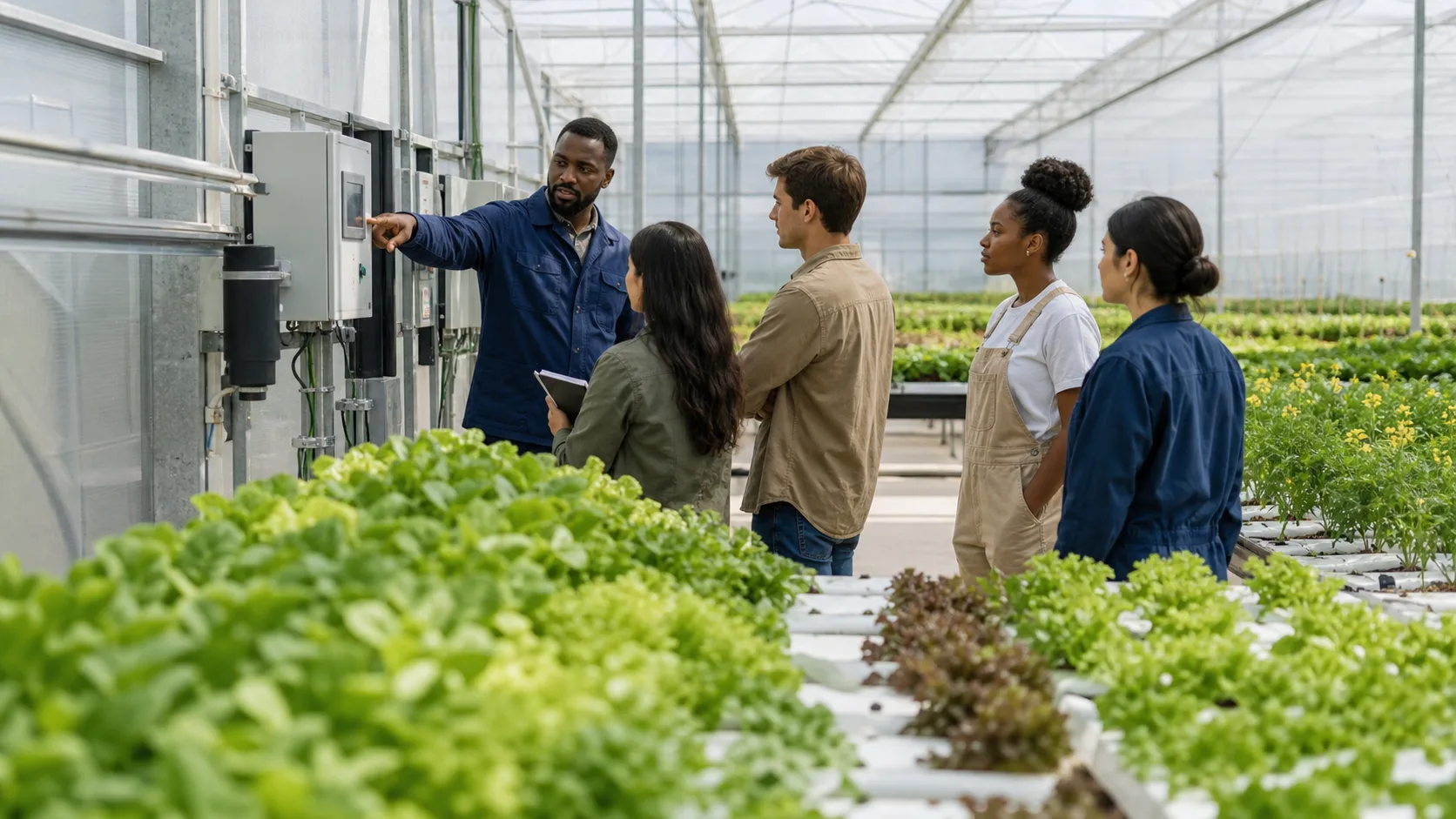
Greenhouse
Greenhouse Operations Training
Teams learn how structure, ventilation, irrigation, shading, climate, and crop needs interact in daily operation.
Learn more Tidalember
Tidalember
Tidalember
Practical training for teams operating greenhouse, irrigation, renewable energy, controls, monitoring, and environmental protection systems.
Every system designed as one connected solution.
Clean energy integrated from the start.
Water, power, and inputs used responsibly.
Stewardship built into every project.
Training helps teams understand how infrastructure behaves in daily operation. Tidalember focuses on practical routines, system relationships, warning signs, maintenance awareness, and environmental best practices.
The service can support growers, maintenance teams, project managers, community agriculture teams, and institutional operators who need to run sustainable systems responsibly.
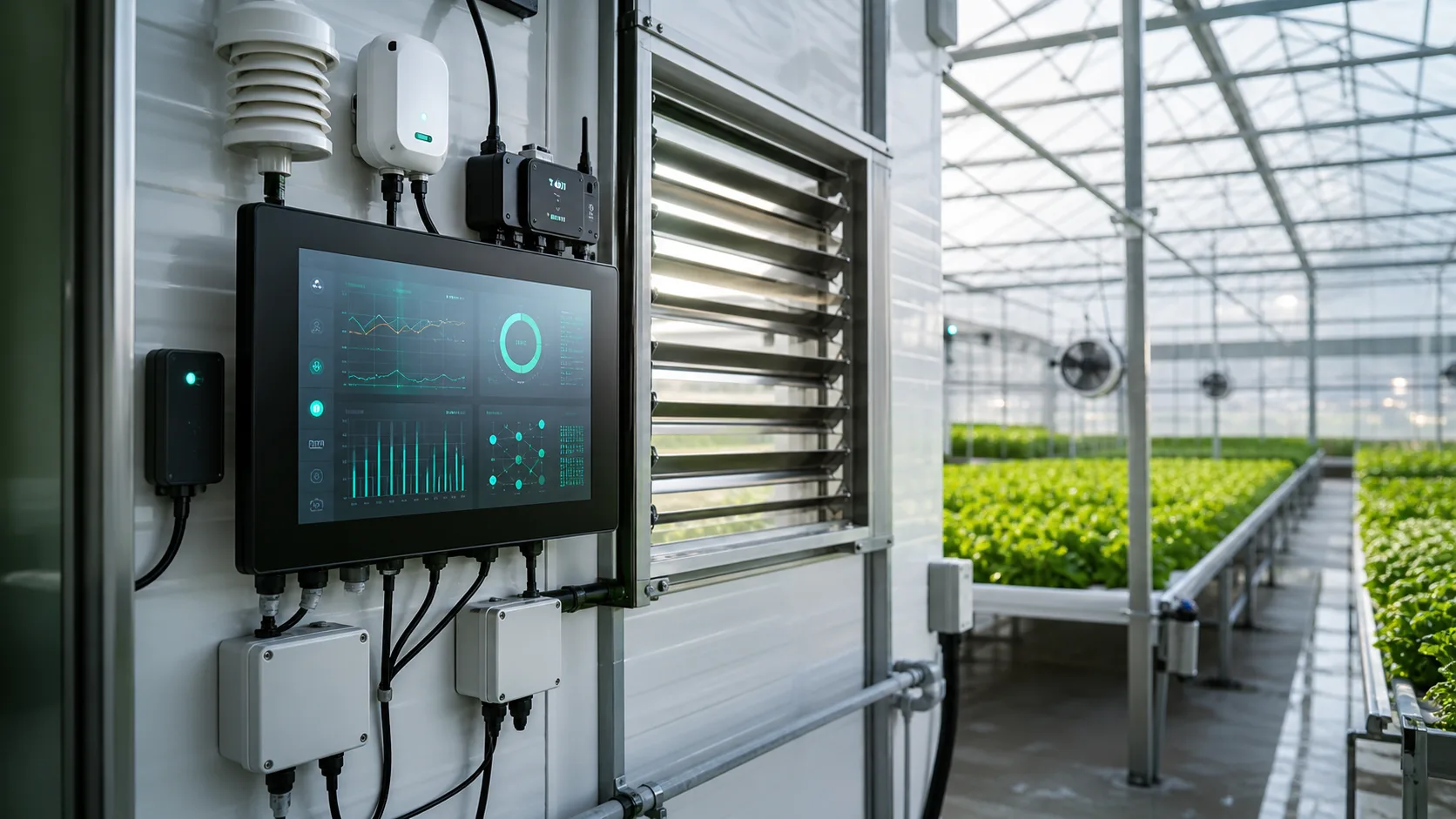
Training is built around the decisions operators make every day.
Teams learn how structure, ventilation, irrigation, shading, climate, and crop needs interact in daily operation.
Learn moreOperators learn to read irrigation indicators, pressure changes, sensor data, alerts, and system performance trends.
Learn more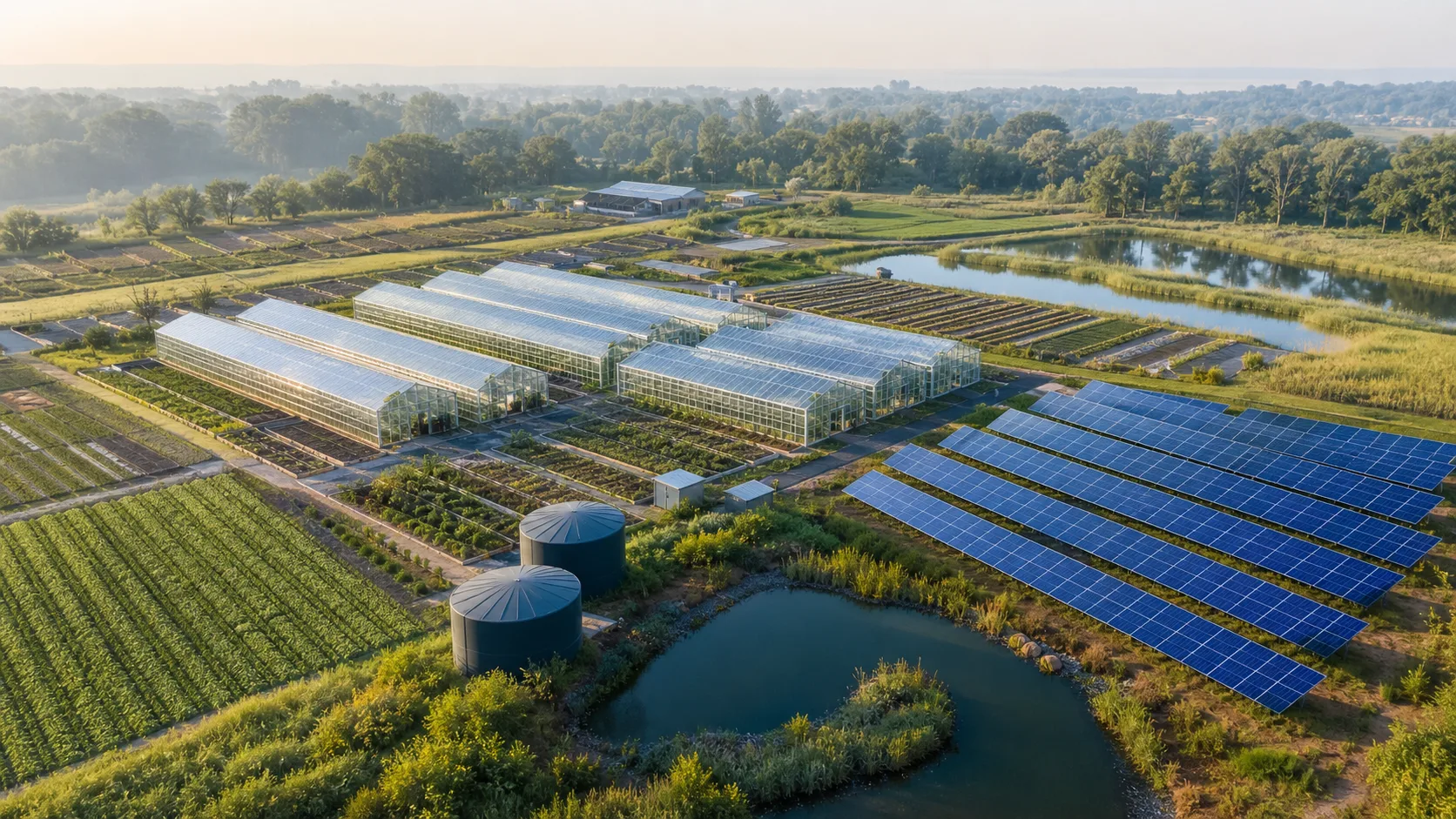
Training covers runoff awareness, waste handling, waterway protection, biodiversity zones, and responsible site routines.
Learn moreTeams learn how greenhouse, water, energy, controls, and environmental systems affect one another.
Training supports practical checklists for leaks, pressure, sensors, climate, filters, drainage, and unusual crop responses.
Operators learn which warning signs matter and how to escalate issues before they become failures.
Staff routines include waste handling, runoff reduction, water protection, and pollution prevention.
Training is focused on practical decisions, not classroom theory alone.
Operators learn the relationship between climate, irrigation, crop condition, and greenhouse structure.
Training covers water delivery, filtration, pressure, fertigation, and runoff awareness.
Teams learn to interpret readings, dashboards, alerts, and performance trends.
Training reinforces waste reduction, pollution prevention, water protection, and biodiversity awareness.
Our workflow gives clients practical clarity before capital is committed, then keeps engineering, environmental, and operating priorities aligned through delivery.
Clarify project goals, site conditions, production requirements, environmental sensitivities, and operational constraints.
Translate findings into practical system concepts, technical priorities, implementation phases, and resource requirements.
Align structures, energy, water, controls, procurement, environmental safeguards, schedules, and stakeholder responsibilities.
Review operating performance, maintenance needs, resource efficiency, and opportunities for future expansion or optimization.
Our work is intended to help clients build agricultural systems that remain productive, efficient, and responsible as climate, energy, water, and market conditions change.
Teams understand what to check, why it matters, and when to respond.
Clear routines reduce avoidable damage, waste, and downtime.
Staff learn to protect water, soil, biodiversity, and site cleanliness.
Trained teams maintain infrastructure more consistently.
Tell us about your site, crop goals, environmental requirements, or development plan and we will help shape the right engineering path.