Phasing reduces uncertainty
Large agricultural and environmental development projects contain many unknowns. Phasing allows teams to test assumptions, confirm operating requirements, train staff, measure performance, and adjust before scaling.
The first phase should prove the system
A pilot or initial phase should validate site assumptions, water and energy performance, crop response, workflow, maintenance routines, and environmental safeguards. This creates evidence for later investment decisions.
Infrastructure corridors should anticipate growth
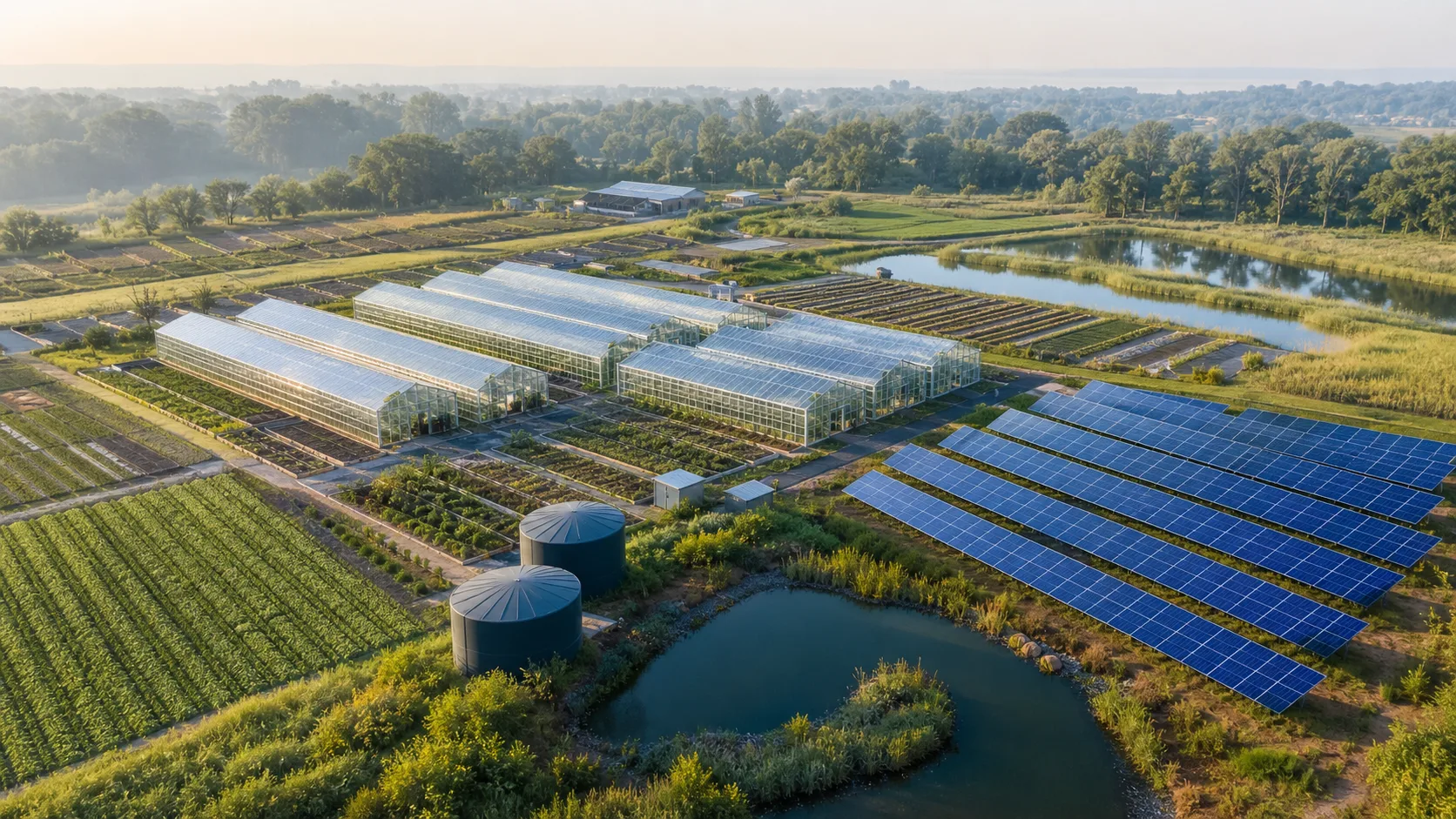
Even when development is phased, access roads, water lines, drainage, power distribution, monitoring architecture, and service zones should be planned with expansion in mind. Poor early layout can limit future growth.
Environmental safeguards must scale too
As production grows, runoff, waste, energy demand, water demand, and habitat pressure can also grow. Environmental planning must be phased with the infrastructure, not added after expansion creates problems.