Start with the site, not the structure
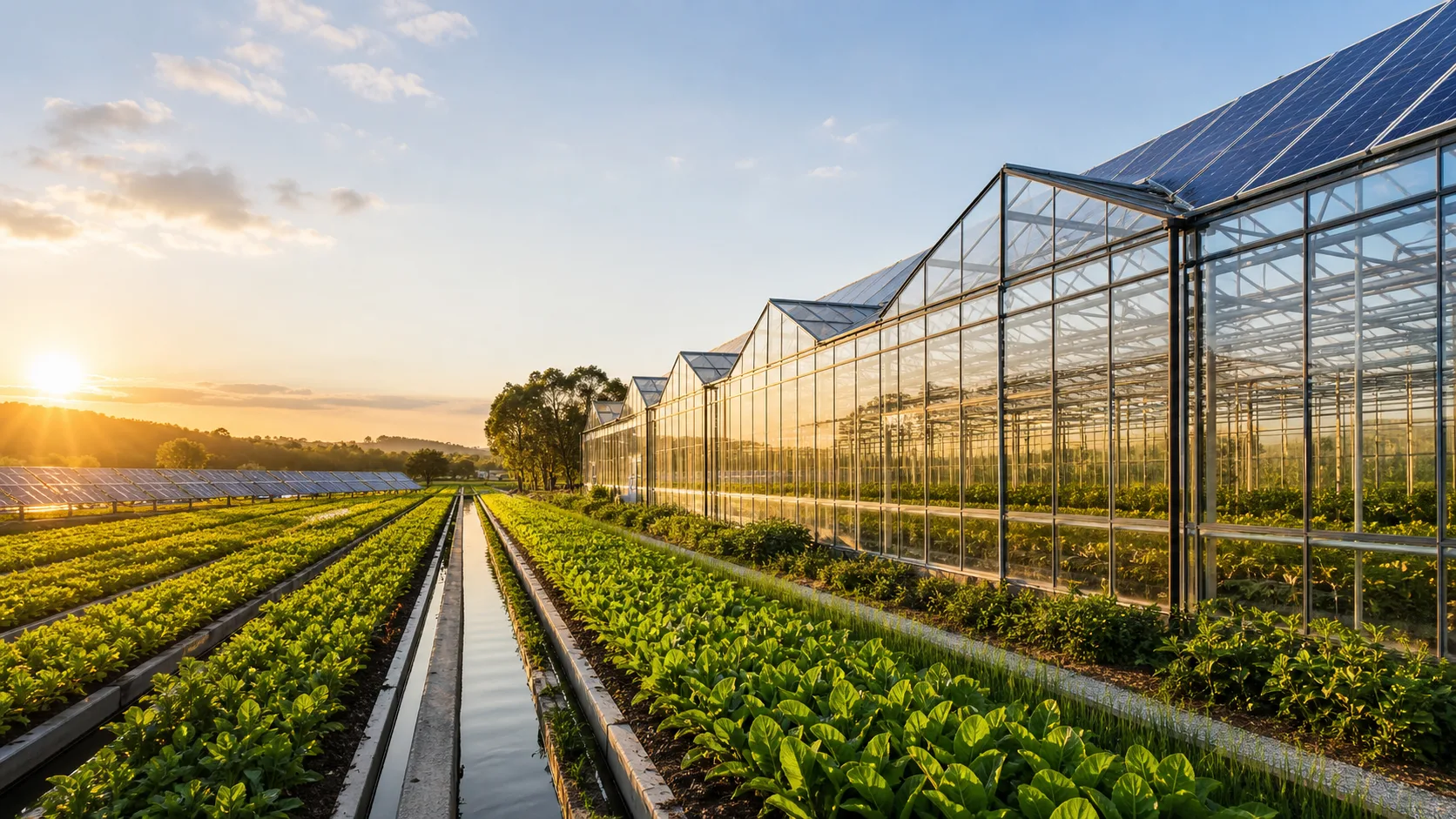
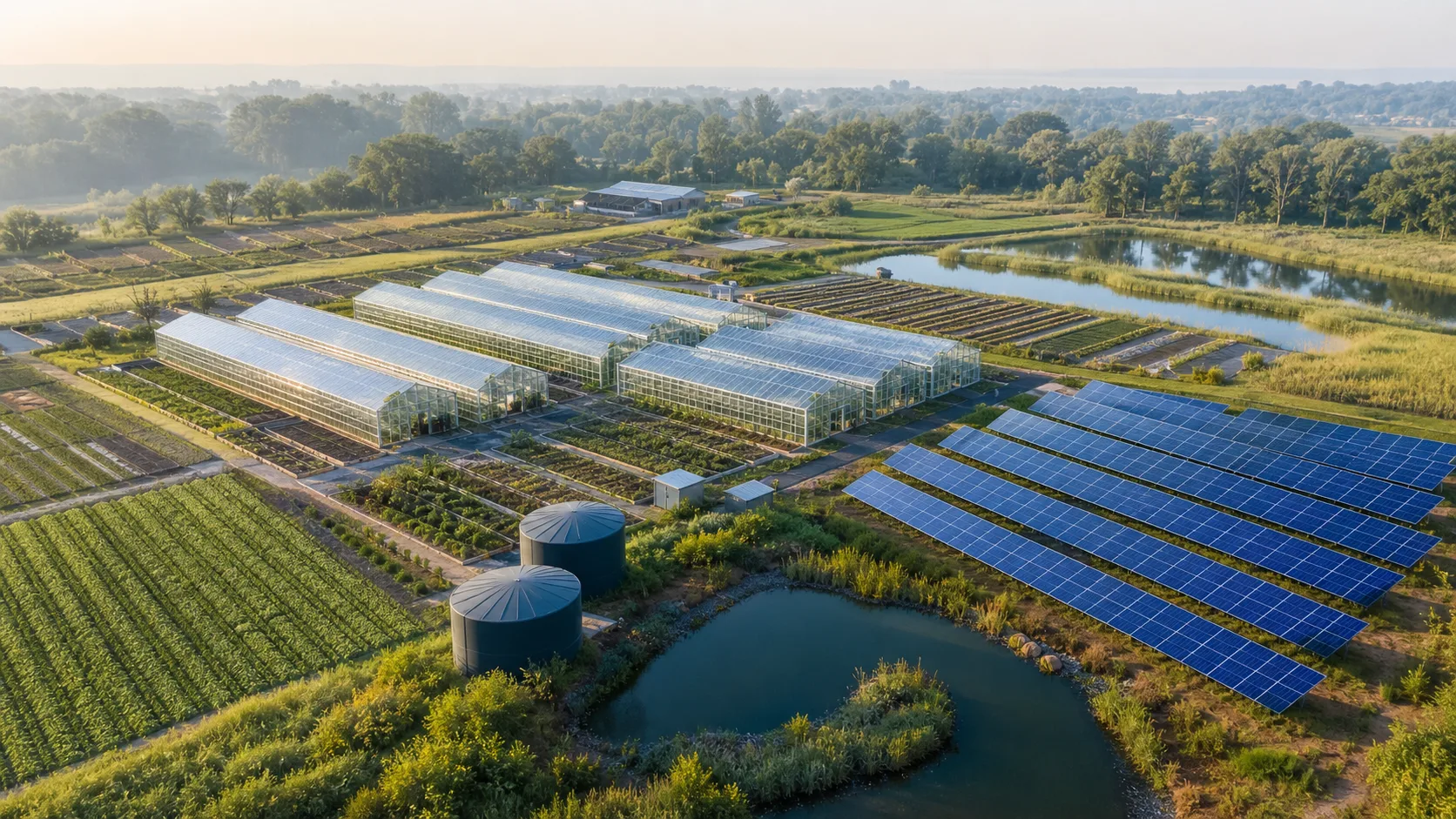
A successful solar greenhouse begins with site intelligence. Sun path, prevailing wind, drainage, water access, nearby shade, soil conditions, service access, and expansion potential all influence the final design. Treating the greenhouse as a standalone structure often leads to avoidable problems later, especially when irrigation, ventilation, and energy systems are added after the fact.
Balance solar gain and climate control
Solar energy can support productive growing environments, but unmanaged heat gain can stress crops and increase operating costs. Tidalember evaluates orientation, glazing, shading, ventilation, and thermal behavior together so the structure supports the intended crop rather than fighting against local climate conditions.
Plan water, energy, and controls together
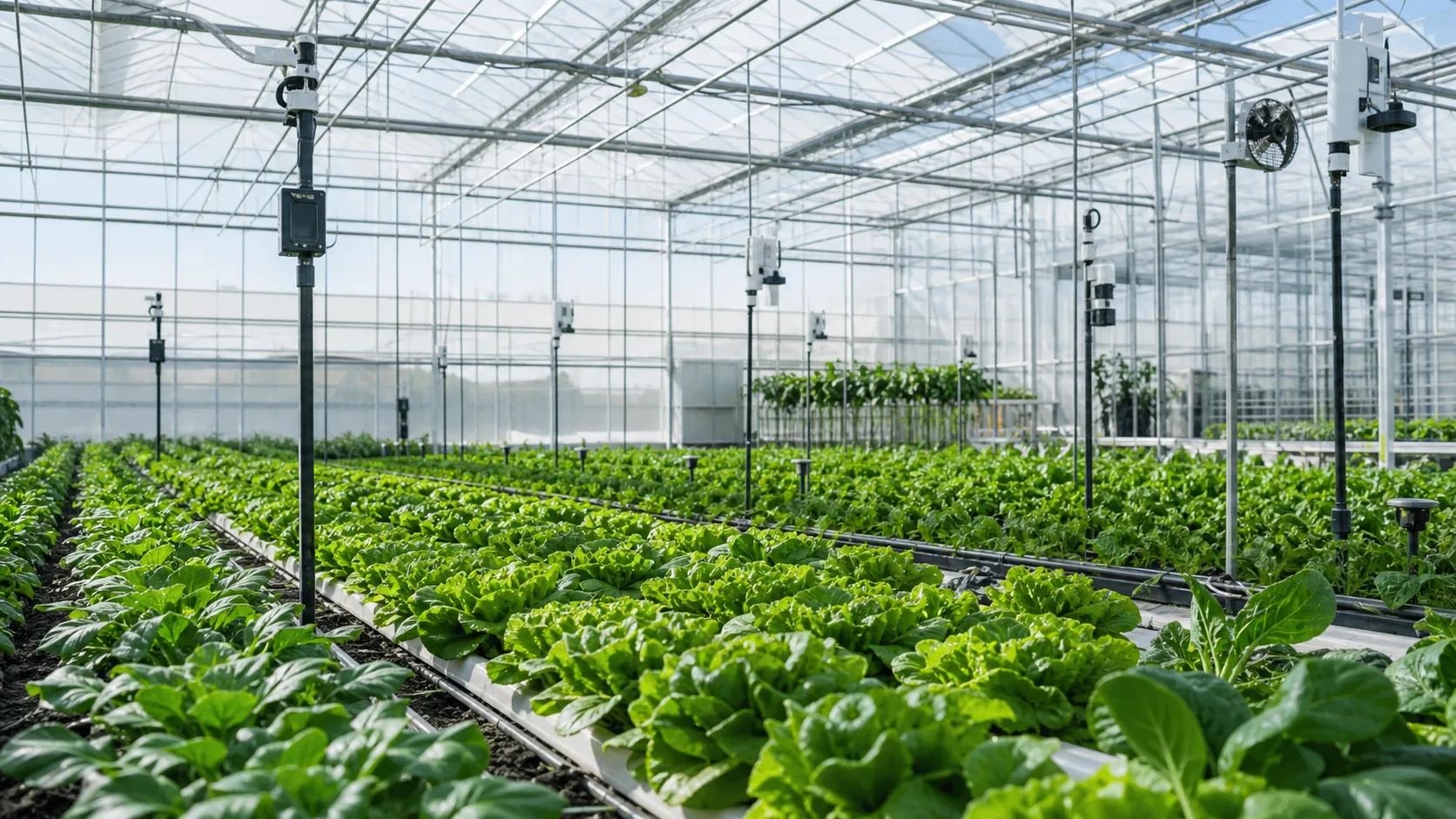
Greenhouse irrigation, pumps, sensors, fans, shading, monitoring, and backup systems all depend on reliable infrastructure. Integrating these decisions early helps reduce oversizing, undersizing, water waste, and operational confusion. The goal is a system operators can understand, maintain, and improve over time.