Biodiversity is part of site resilience
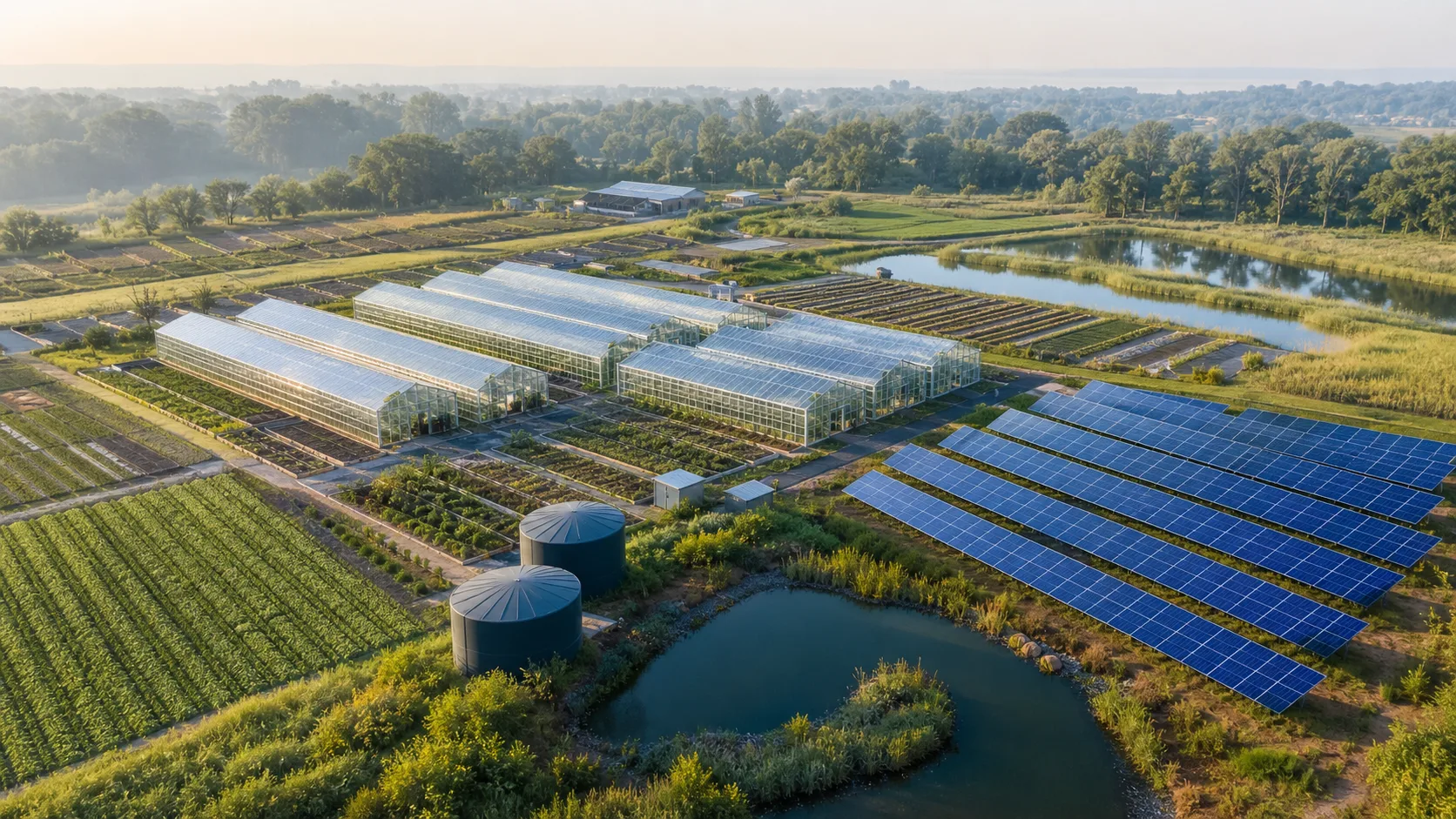
Agricultural sites are connected to surrounding ecosystems. Vegetation, pollinators, beneficial insects, soil organisms, birds, drainage corridors, and nearby water bodies all influence long-term resilience. Biodiversity conservation does not have to oppose production when it is planned intelligently.
Habitat-sensitive layout matters
Roads, greenhouse placement, drainage lines, storage zones, and service areas can either fragment or protect habitat. Early site planning can preserve ecological edges, reduce disturbance, and keep sensitive areas away from pollution pathways.
Beneficial landscapes can support operations
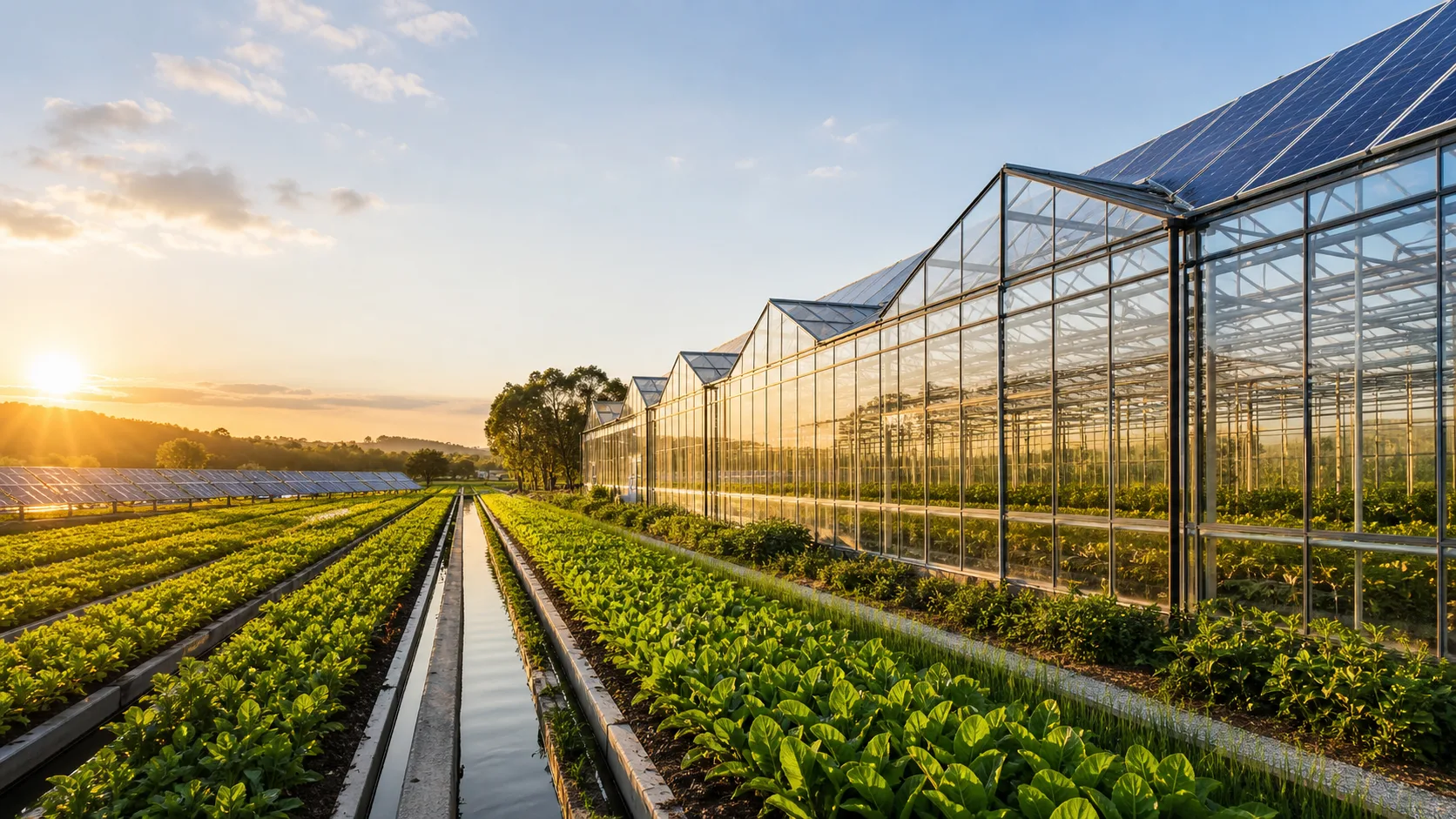
Buffer planting, habitat corridors, windbreaks, wetland edges, and beneficial vegetation can reduce erosion, support pollination, improve microclimate, and enhance the environmental value of a project. These choices must be matched to local ecology and maintenance capacity.
Conservation needs management routines
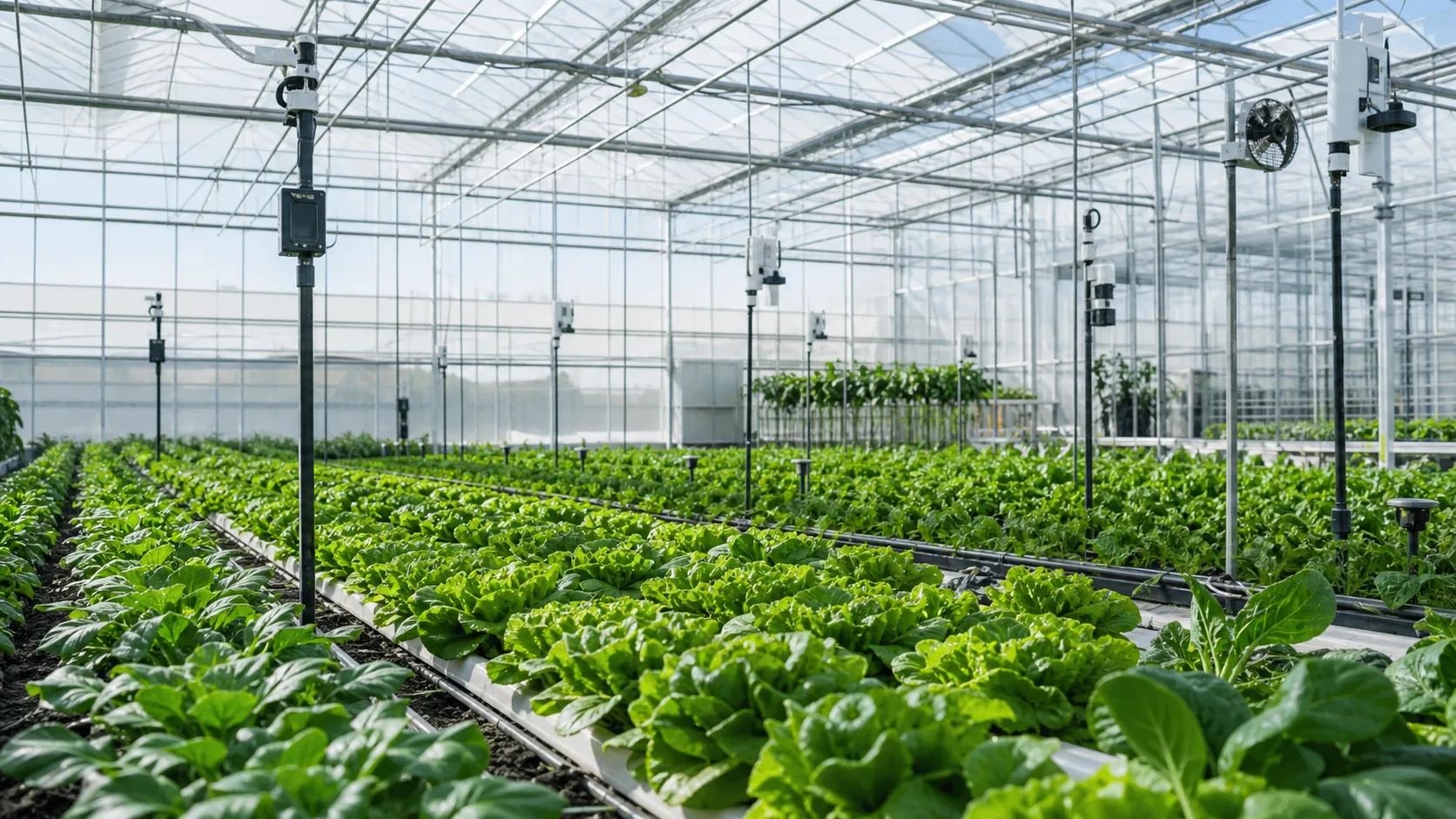
Biodiversity features require care. Monitoring, invasive species control, water protection, waste discipline, and staff awareness help ensure conservation goals remain active after construction.