Useful data is actionable data
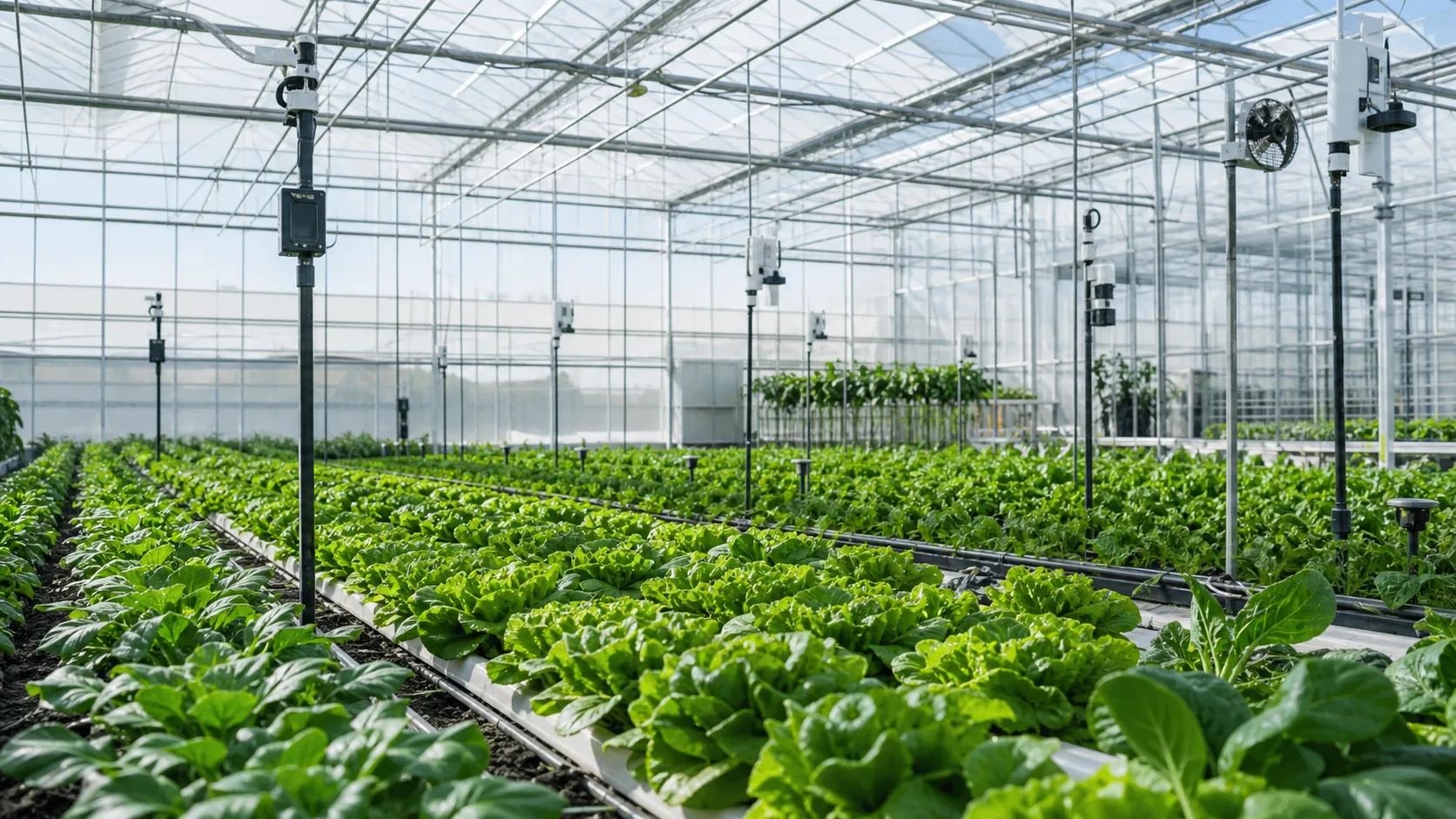
Sensors and dashboards should help operators make decisions. Temperature, humidity, light, airflow, moisture, pressure, and energy indicators are valuable when they are reliable, understandable, and connected to operating routines.
Alerts should prioritize real risk
Too many alarms can train teams to ignore them. A good monitoring strategy distinguishes critical conditions from routine variations and supports clear response procedures.
Monitoring supports continuous improvement
Over time, data can reveal patterns in water use, energy demand, climate stability, crop response, and maintenance needs. This supports better training, planning, and system upgrades.