Waste streams should be identified early
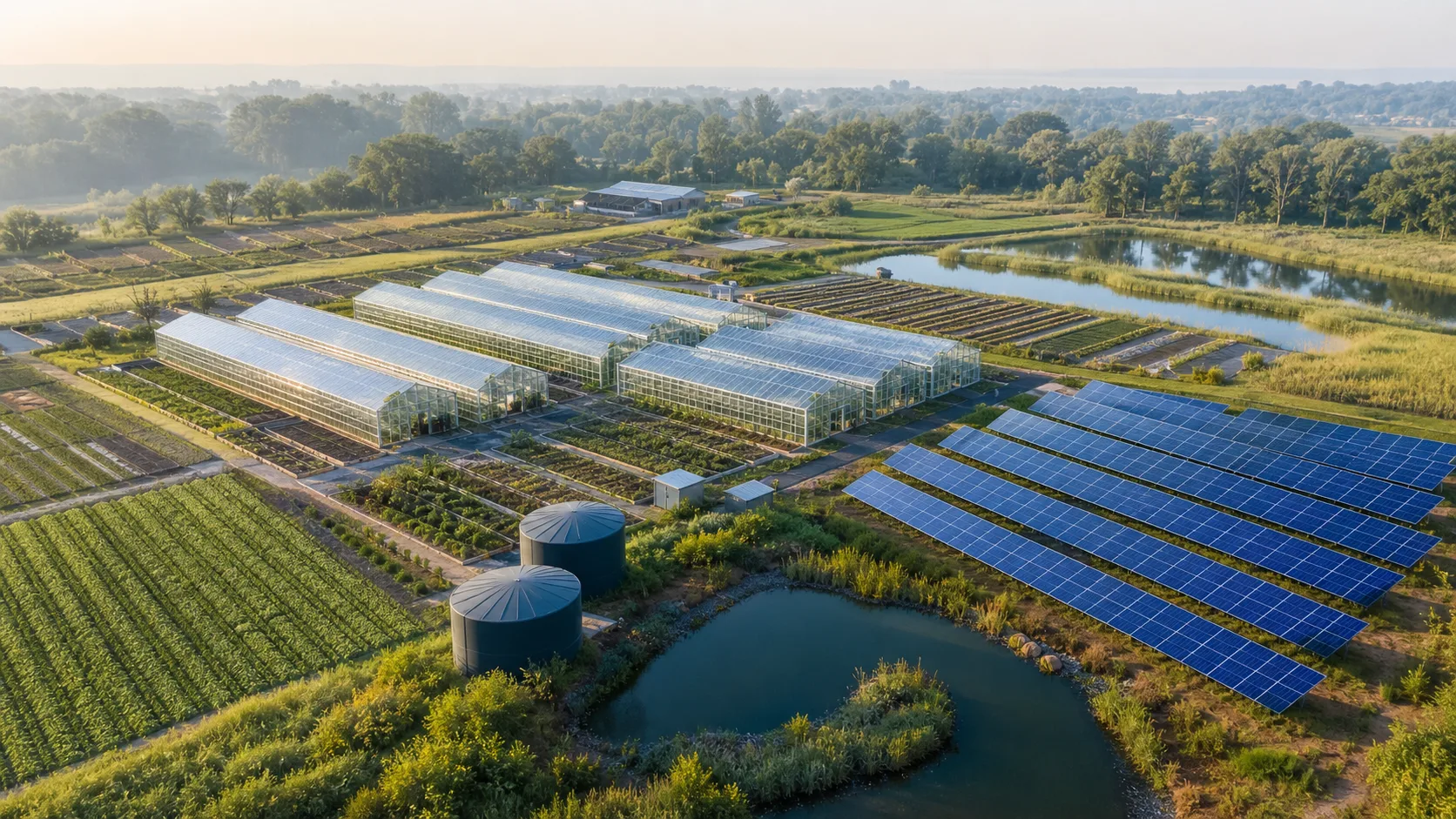
Agricultural waste is not limited to visible rubbish. It can include nutrient runoff, discarded growing media, packaging, plastics, chemical containers, damaged irrigation parts, organic residues, wastewater, and contaminated soil. A remediation-minded project begins by identifying what materials will enter, move through, and leave the site.
Remediation must match the source of risk
Different waste problems require different strategies. Nutrient losses may require drainage and fertigation changes, while contaminated storage zones may require containment, removal, treatment, or monitoring. Tidalember approaches remediation as part of site operations rather than as an isolated cleanup exercise.
Good design reduces future waste
Waste management improves when infrastructure is designed for maintenance, collection, reuse, and safe handling. Clear storage zones, staff routines, drainage planning, and material selection can reduce pollution risk before it becomes expensive to correct.
Monitoring protects long-term value
Waste and pollution risks can change as a farm expands or crop systems evolve. Periodic review of material flows, water quality, soil conditions, and operational habits helps protect both productivity and environmental credibility.