
Renewable Power
Solar Power Integration
PV generation is planned around pumps, ventilation, controls, lighting, monitoring, and other agricultural loads.
Learn more Tidalember
Tidalember
Tidalember
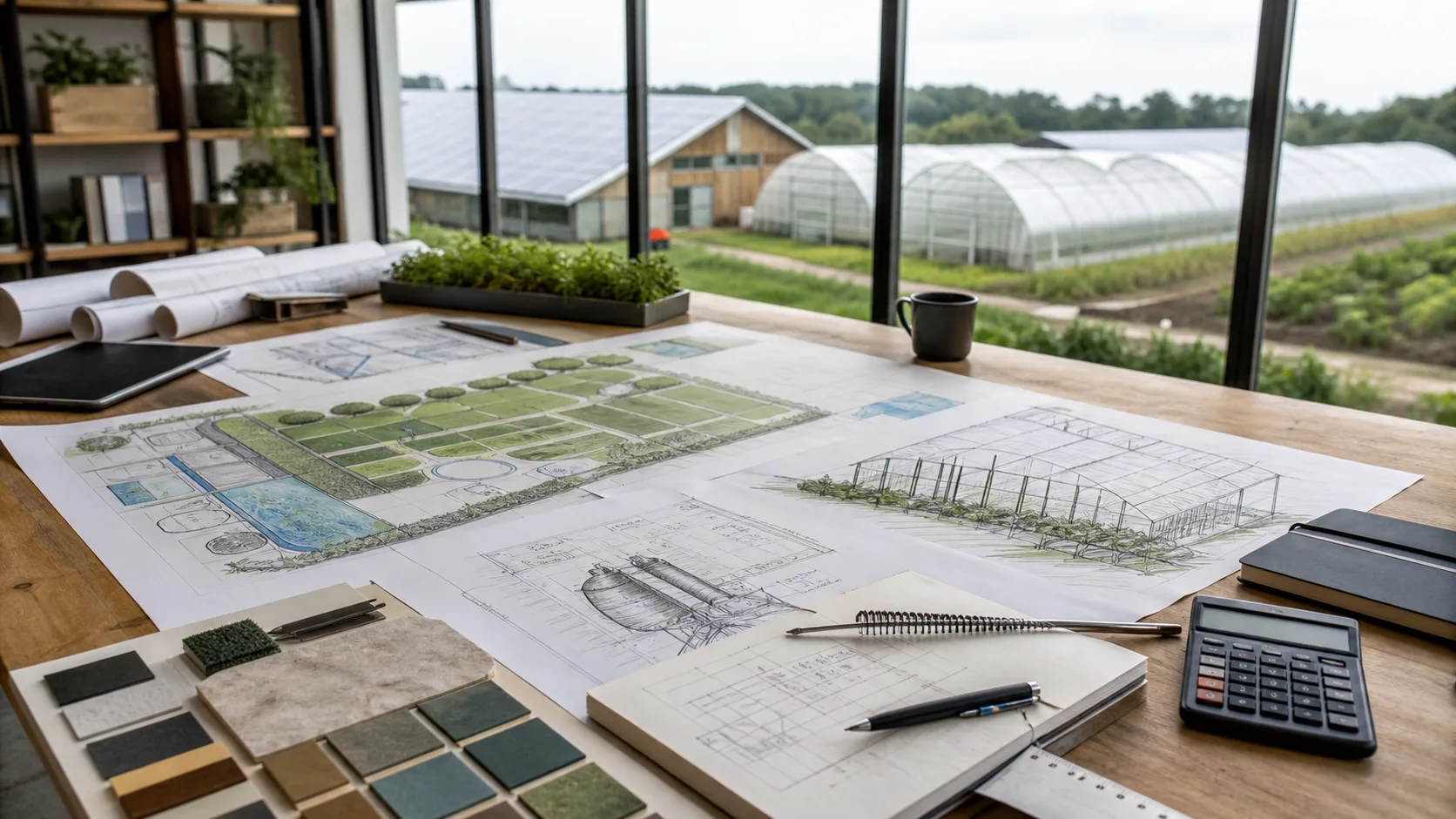
Solar generation, storage, backup power, and load planning for agricultural facilities and greenhouse operations.
Every system designed as one connected solution.
Clean energy integrated from the start.
Water, power, and inputs used responsibly.
Stewardship built into every project.
Tidalember helps plan renewable energy systems that support irrigation, ventilation, controls, lighting, pumps, and monitoring equipment.
Power planning includes demand profiles, backup needs, climate-sensitive loads, reliability expectations, and opportunities to reduce long-term operating costs.
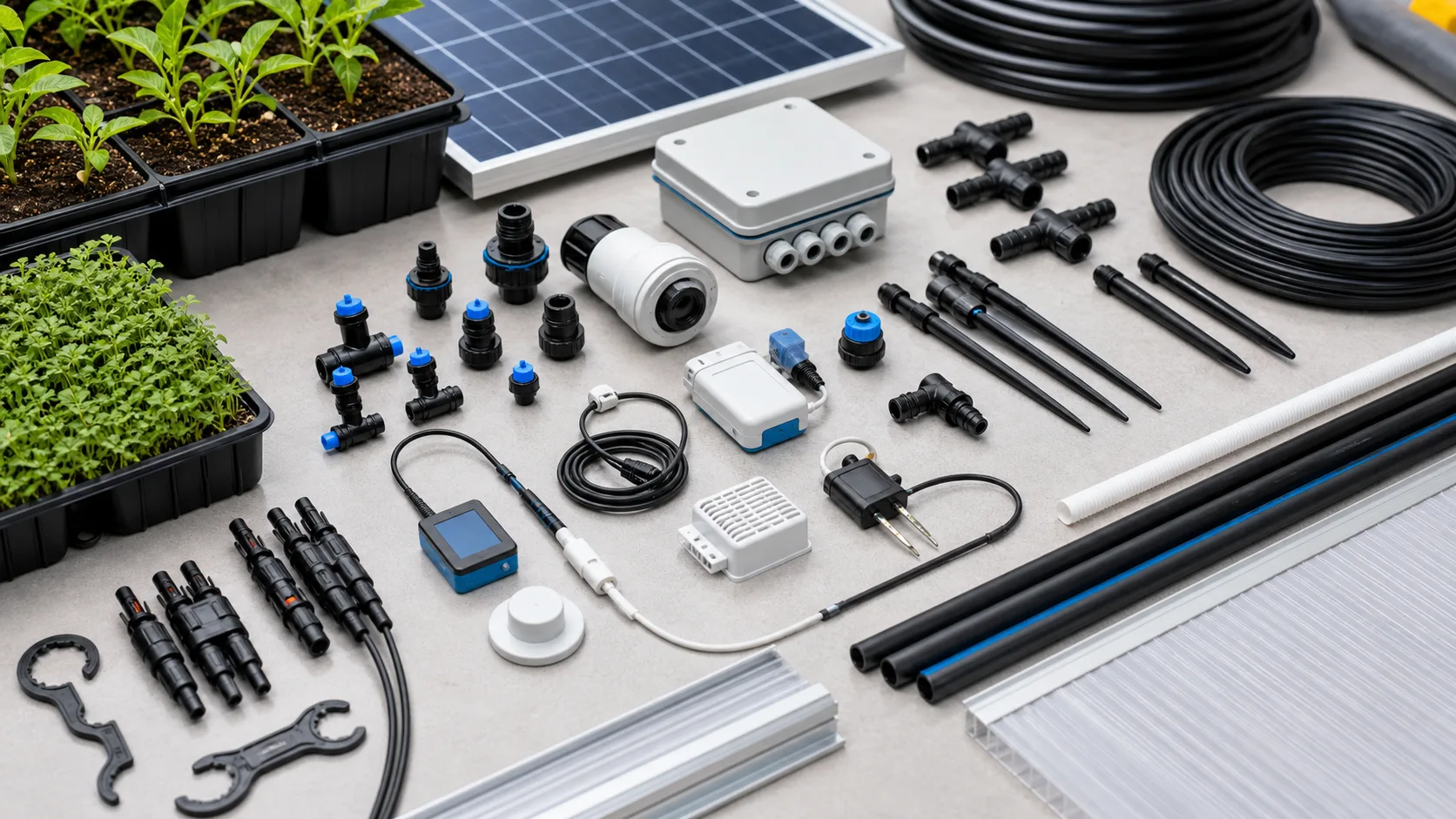
Power systems are matched to actual agricultural workflows, not generic assumptions.
PV generation is planned around pumps, ventilation, controls, lighting, monitoring, and other agricultural loads.
Learn more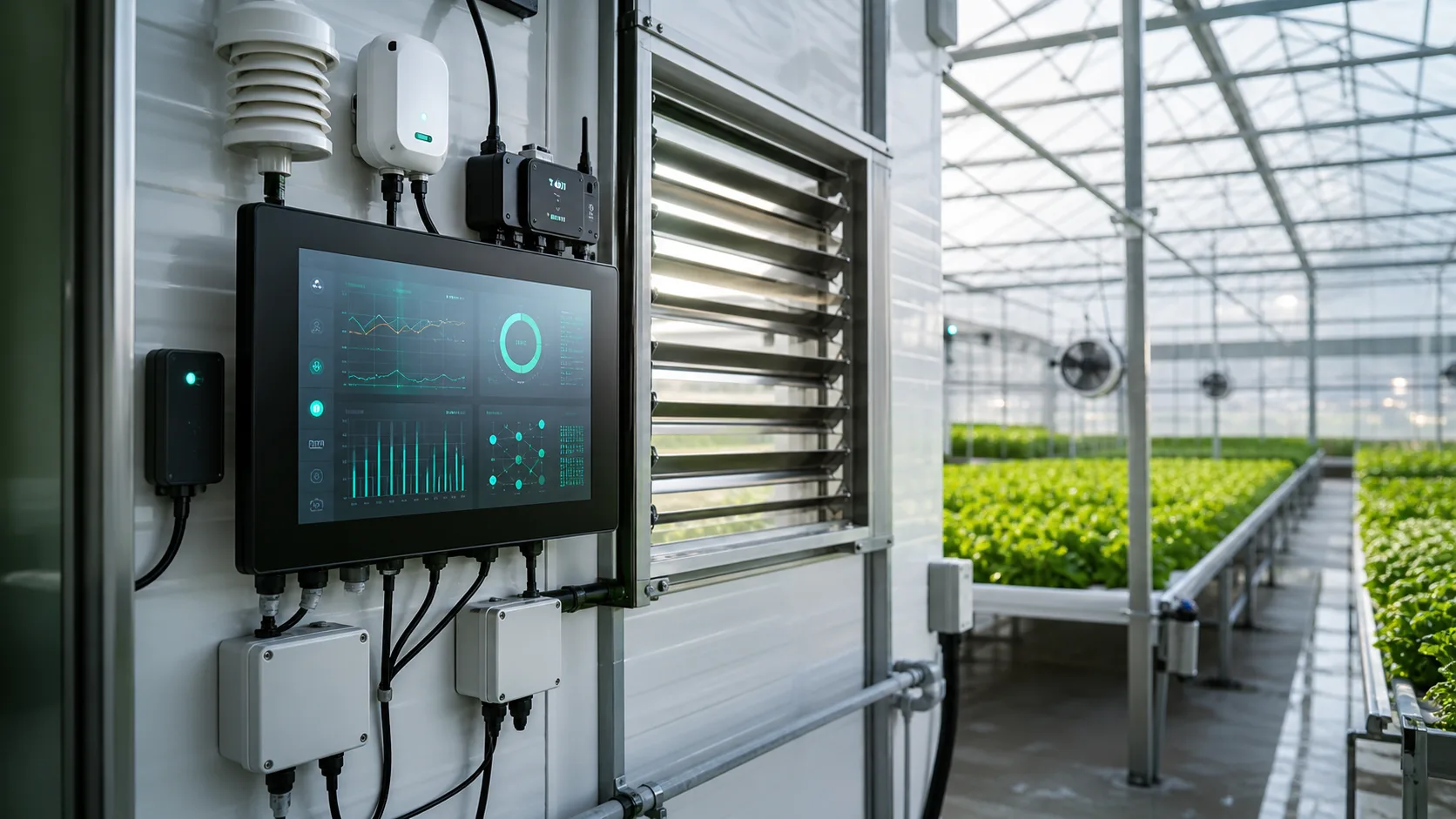
Critical systems are reviewed for continuity needs so crop environments are not exposed to unnecessary outage risk.
Learn more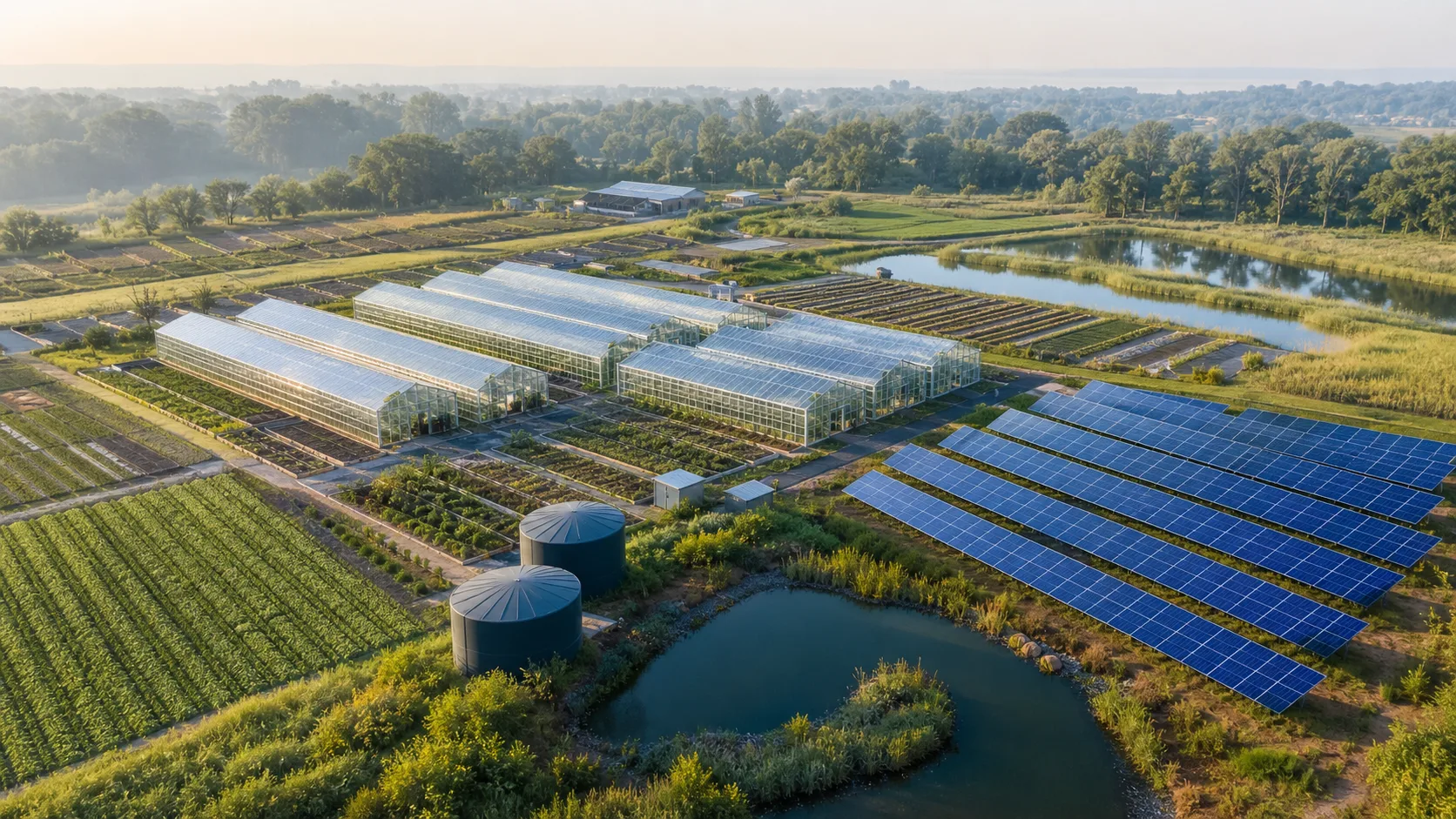
System sizing, operating schedules, equipment selection, and passive design are evaluated for lower long-term demand.
Learn moreWe assess land, water, energy, access, climate, and operating needs before committing to a build strategy.
Solar generation, backup power, controls, and efficiency measures are planned as one connected system.
Greenhouse envelopes, irrigation, ventilation, shading, and monitoring are matched to production goals.
Projects account for biodiversity, aquatic systems, pollution risks, waste streams, and long-term resilience.
Agricultural power planning must reflect pumps, fans, lighting, controls, sensors, storage, backup needs, and the seasonal rhythm of crop production.
We review equipment loads and operating schedules to understand the real energy profile of the facility.
Solar power is planned with the greenhouse and farm layout so generation supports operations without compromising growing performance.
Critical systems need continuity. We help identify where storage, backup, or hybrid approaches may be necessary.
Energy choices are evaluated for lifecycle value, maintenance, operational savings, and reliability.
Our workflow gives clients practical clarity before capital is committed, then keeps engineering, environmental, and operating priorities aligned through delivery.
Clarify project goals, site conditions, production requirements, environmental sensitivities, and operational constraints.
Translate findings into practical system concepts, technical priorities, implementation phases, and resource requirements.
Align structures, energy, water, controls, procurement, environmental safeguards, schedules, and stakeholder responsibilities.
Review operating performance, maintenance needs, resource efficiency, and opportunities for future expansion or optimization.
Tidalember focuses on outcomes that can be designed, operated, measured, and improved over time.
Clean generation and efficiency measures can lower exposure to grid instability and rising energy costs.
Backup and storage planning helps protect irrigation, ventilation, controls, and sensitive crop environments.
Power systems are matched to actual operational demand, reducing oversizing and undersizing risks.
Renewable integration supports agricultural productivity with reduced emissions and resource impact.
Tell us about your site, crop goals, environmental requirements, or development plan and we will help shape the right engineering path.