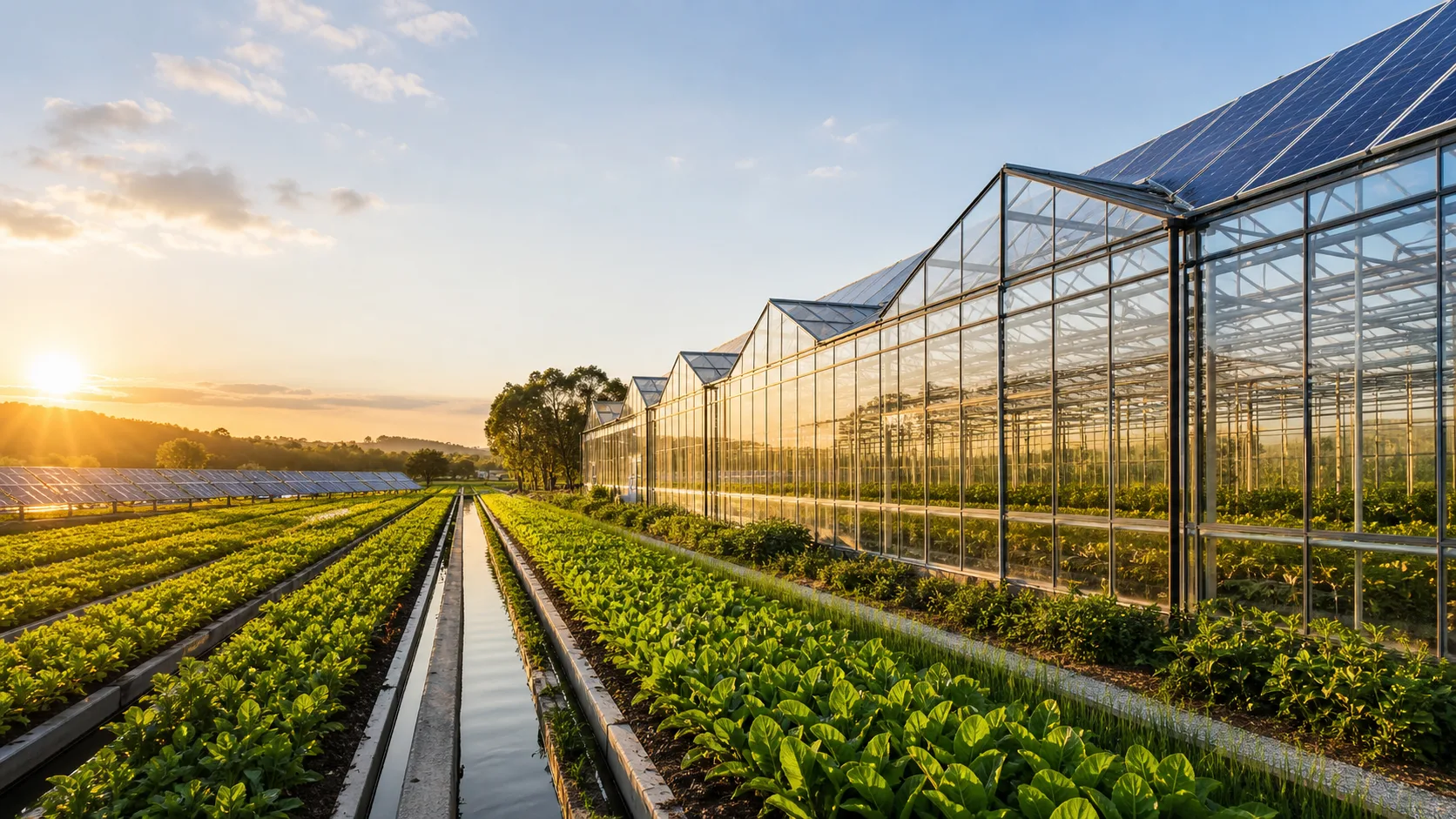
Greenhouse
Structure and Envelope
Greenhouse frames, glazing, orientation, vents, shading, drainage, workflow, and maintenance access form the physical foundation of the system.
Learn more Tidalember
Tidalember
Tidalember
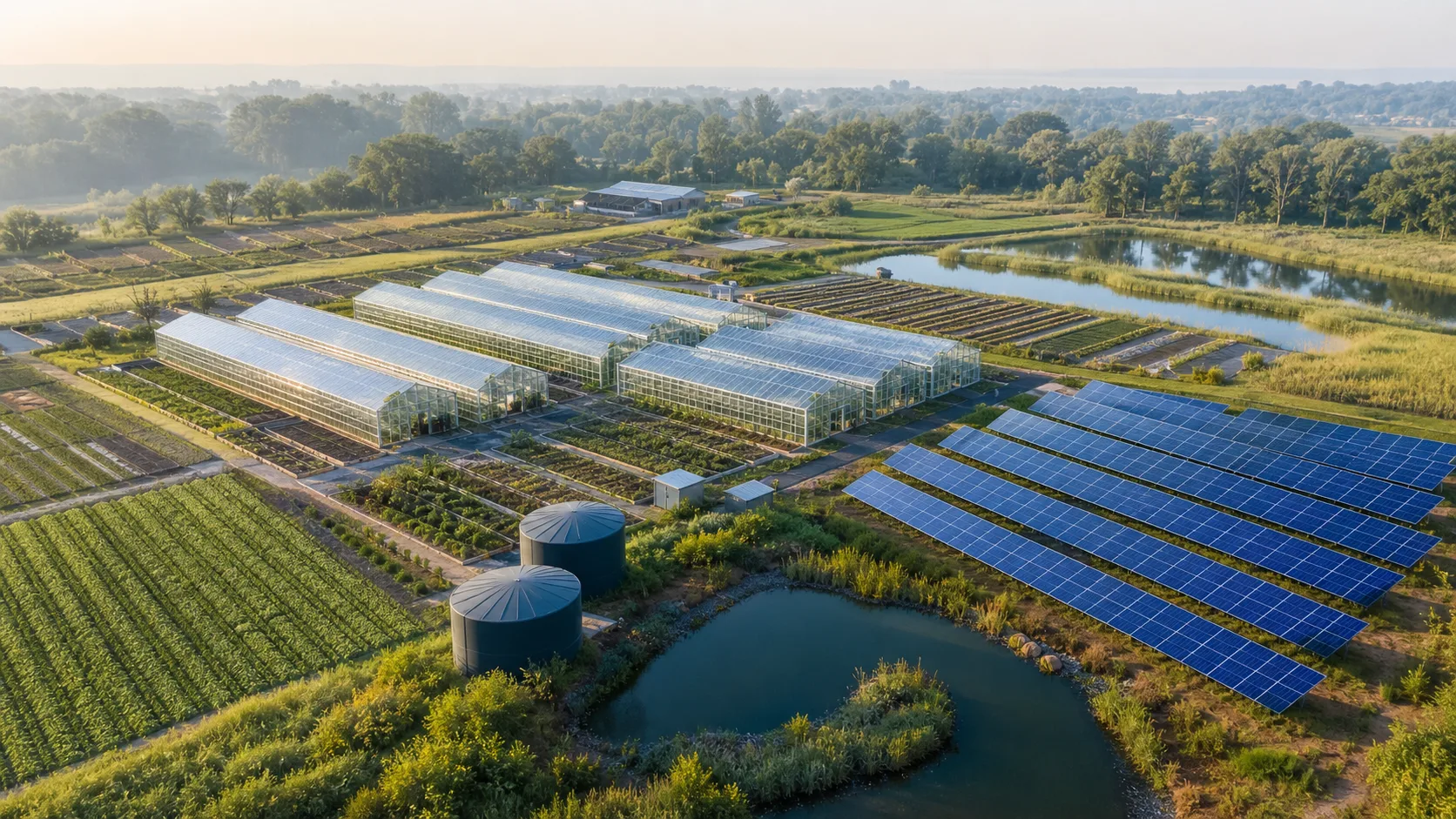
Explore the systems Tidalember plans and integrates for solar greenhouses, controlled growing, clean energy, water efficiency, and environmental monitoring.
Every system designed as one connected solution.
Clean energy integrated from the start.
Water, power, and inputs used responsibly.
Stewardship built into every project.
Tidalember organizes agricultural infrastructure around connected systems rather than isolated equipment. Structure, energy, water, climate, monitoring, and environmental safeguards must work together.
Our catalog pages explain the major system areas we support and how each contributes to productive, responsible agriculture.
Each category reflects a practical part of sustainable agricultural engineering.
Greenhouse frames, glazing, orientation, vents, shading, drainage, workflow, and maintenance access form the physical foundation of the system.
Learn more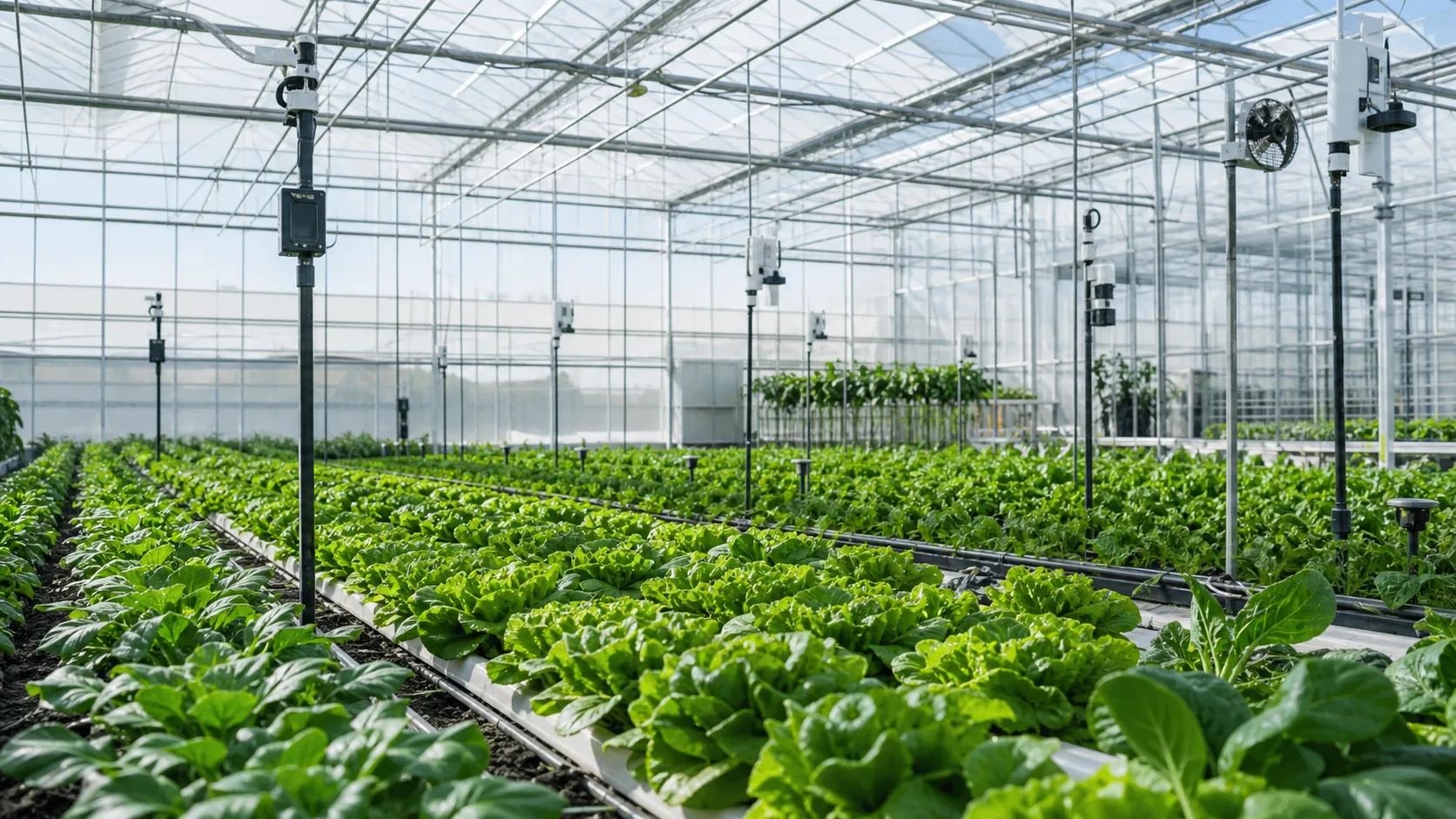
Solar generation, storage, pumps, irrigation, fertigation, sensors, and dashboards are matched to agricultural demand.
Learn more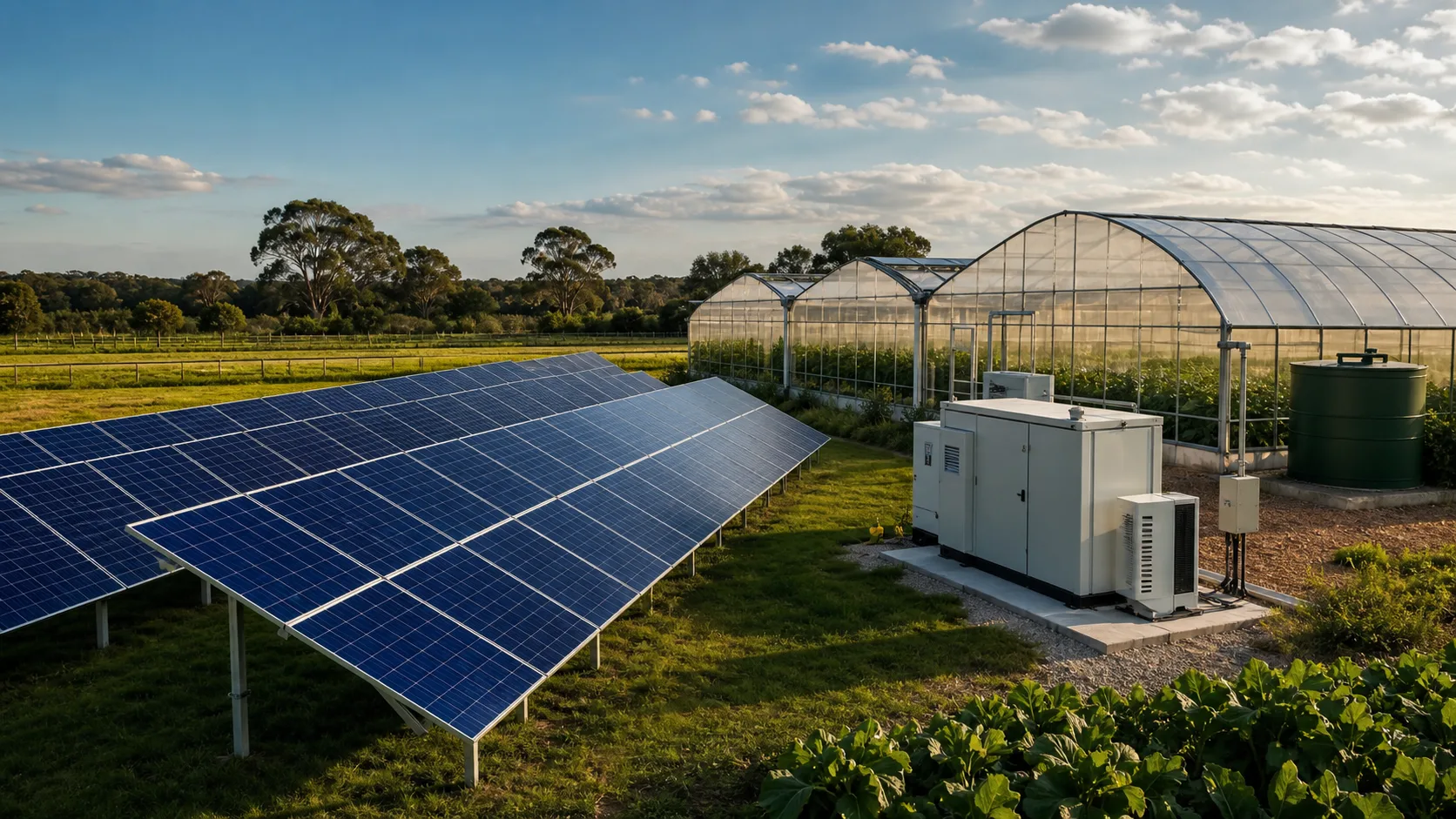
Runoff protection, biodiversity support, waste handling, pollution reduction, and remediation planning are included in system thinking.
Learn moreLight, heat, humidity, airflow, irrigation, crop layout, and sanitation all influence production quality.
Energy, water, nutrients, storage, filtration, backup power, and monitoring determine operating reliability.
Labor movement, maintenance access, harvesting, cleaning, and safety must be considered from the beginning.
Drainage, runoff, waste, nearby habitats, waterways, and pollution risks define how the facility interacts with its surroundings.
Each agricultural engineering system affects the others. Tidalember helps clients understand these relationships before selecting structures, equipment, energy systems, and environmental safeguards.
We design around crop performance, climate control, workflow, labor access, water delivery, energy demand, and the practical realities of daily operation.
Tidalember integrates clean power and efficiency strategies into agricultural infrastructure so food production can become more resilient and less resource intensive.
Water use, drainage, nutrient delivery, runoff, and waste streams are reviewed as part of the engineering system, not as afterthoughts.
Large-scale projects are shaped to reduce ecological risk while supporting productive agriculture, biodiversity, aquatic systems, and long-term land value.
Our workflow gives clients practical clarity before capital is committed, then keeps engineering, environmental, and operating priorities aligned through delivery.
Clarify project goals, site conditions, production requirements, environmental sensitivities, and operational constraints.
Translate findings into practical system concepts, technical priorities, implementation phases, and resource requirements.
Align structures, energy, water, controls, procurement, environmental safeguards, schedules, and stakeholder responsibilities.
Review operating performance, maintenance needs, resource efficiency, and opportunities for future expansion or optimization.
Tidalember focuses on outcomes that can be designed, operated, measured, and improved over time.
Equipment and infrastructure choices are evaluated for how they work together under real site conditions.
Controls, water, power, and structure are matched to crop needs and operator capacity.
Systems are organized for access, inspection, replacement, and long-term reliability.
Design choices aim to reduce waste, runoff, energy demand, and environmental pressure.
Tell us about your site, crop goals, environmental requirements, or development plan and we will help shape the right engineering path.